
Reviewed by Tatsuo Takada (owner-chef, Oku-Akasaka Sushi Tanji)
Part of The Tokyo Sushi Guide Updated Reading time about 6 minutes See the menu →
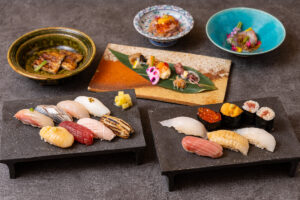
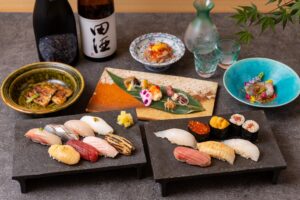
Ordering sushi in Tokyo takes one of two broad forms. There is omakase, in which the meal is entrusted to the chef. There is okonomi, in which you choose each piece yourself. Omakase is the prevailing style today, for reasons worth knowing; okonomi carries pleasures all its own. This article traces where the two styles come from, how they differ in practice and how to order on a first visit, with July’s fish as our examples.
What you will learn
- Why omakase became the prevailing style: the work of daily preparation and ageing
- The pleasures unique to okonomi, along with the reasons it can feel daunting
- The practical differences between the two styles, beginning with how visible the bill is
- A realistic first step into okonomi: one extra piece at the close of an omakase
- Fish often named at a July counter, from *aji* (horse mackerel) to *shinko* (young gizzard shad)
- The booking-time word that spares any scramble on the day: how to mention foods you'd rather avoid
Two Ways to Order
With omakase, the chef composes the meal, its order included, from what has been bought that morning as well as how it has been prepared. With okonomi, you look over the menu or the fish resting before you, asking for whatever appeals one piece at a time. Neither style is more proper than the other. At counters working in the Edomae tradition, the sushi of old Tokyo, okonomi was once simply how things were done; omakase spread comparatively recently.
Why Omakase Became the Norm
The largest reason lies in the preparation. Edomae work gives each fish its own treatment before it reaches the rice: curing with vinegar, marinating in soy, a gentle simmer. In recent years ageing has joined that repertoire. Since each species rests for its own span at its own temperature, which fish appears on which day is largely settled at the moment of purchase. Omakase can be understood as the form that presents the peak of the day’s preparation in its finest order.
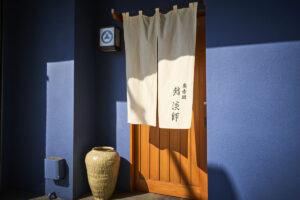
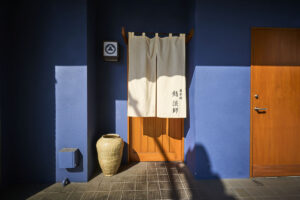
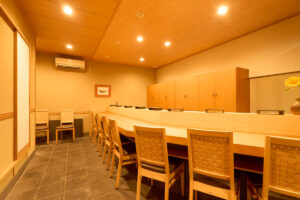
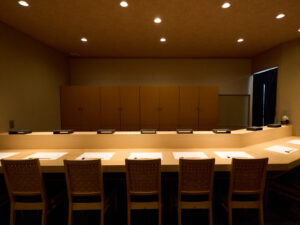
The rise of small counters is part of the story as well. At an eight-seat room such as Sushi Tanji in Oku-Akasaka, serving every guest in the same flow makes it easier to offer each piece freshly formed, at its best.
Enjoying an Omakase
The finest way to enjoy an omakase is to let the current carry you. Most meals open with delicate white-fleshed fish before building towards deeper flavours. Guests often ask the name of a fish or where it was landed; such conversation tends to be welcomed. There is no need to sit on ceremony.
The Pleasures of Okonomi
The delight of okonomi is ordering exactly what you want, in the order you want, for as many pieces as you want. If aji is your favourite, begin with aji; a second piece of the same fish is entirely welcome. Ask what is good today and the chef will often name the best of the season from that morning’s buying. Adding a piece or two of your favourites after an omakase is, in truth, okonomi in its own right. Many find this the most natural place to begin.
Why Okonomi Can Feel Daunting
What makes okonomi feel steep is mostly a matter of the bill. At counters without written prices, most fish follow the day’s market, so the total is harder to read. The sequence is also yours to build; something rich taken early can leave the delicate fish that follow harder to appreciate. None of this is cause for worry. It simply explains why the clarity of omakase has come to stand out.
| Omakase | Okonomi | |
|---|---|---|
| How you order | Entrusted to the chef, served as one unbroken flow | You choose piece by piece |
| Reading the bill | The total is easy to foresee | Mostly market price, harder to foresee |
| When it suits | A first visit, plus any time you want the season in breadth | When your favourites are settled, at a counter you know well |
A Word to Add at the July Counter
July is when the summer fish begin to assemble. Aji takes on richness as the rainy season lifts, while isaki (threeline grunt) and anago (conger eel) are often named alongside it. In the latter half of the month, talk may turn to the first shinko, the infant kohada (gizzard shad) that marks high summer. Even midway through an omakase, a simple question about where today’s aji comes from can open a conversation. Some counters, Tanji among them, close the evening with matcha alongside a seasonal wagashi (a traditional confection) in a small tea room — the kind of hour that stays with you as a memory of summer.
Choosing on a First Visit
On a first visit, omakase is the reassuring choice. A single sitting shows you the shop’s work from beginning to end, with the bill in clear view. Once a counter becomes familiar, try an extra piece after the omakase; on a later evening, order okonomi outright. The two styles are not rivals so much as two doors into the same counter. Taking them at your own pace, little by little, is the surest way in.
Frequently asked questions
For a first visit, is omakase or okonomi the better choice?
Most first-time guests choose omakase. The day’s season arrives in the chef’s own sequence, with the total easier to foresee. Once you feel at home, adding a favourite piece at the end makes a gentle first step into okonomi.
Does ordering okonomi cost more?
Not necessarily. A short run of a few pieces can come to less than an omakase, while a parade of the finest fish can come to more. Where no prices are written, most fish follow the day’s market; asking when you order is considered perfectly polite.
What if a fish I don't care for appears during the omakase?
The surest course is to mention it when you book. Even on the day, a quiet word at the start is usually all it takes; most counters will gladly offer another fish in its place. There is no need to press on regardless.
In what order should I ask for okonomi?
There is no fixed order, though beginning with delicate white fish before moving on to richer flavours lets each one register clearly. If in doubt, asking the chef to start with the day’s recommendations is a graceful way in.
From the guide to the counter
Taste it at our eight-seat counter in Oku-Akasaka.
Classic Edomae craft with careful modern aging – served piece by piece, with English guidance for overseas guests.
Reserve at Sushi Tanji Explore The Tokyo Sushi Guide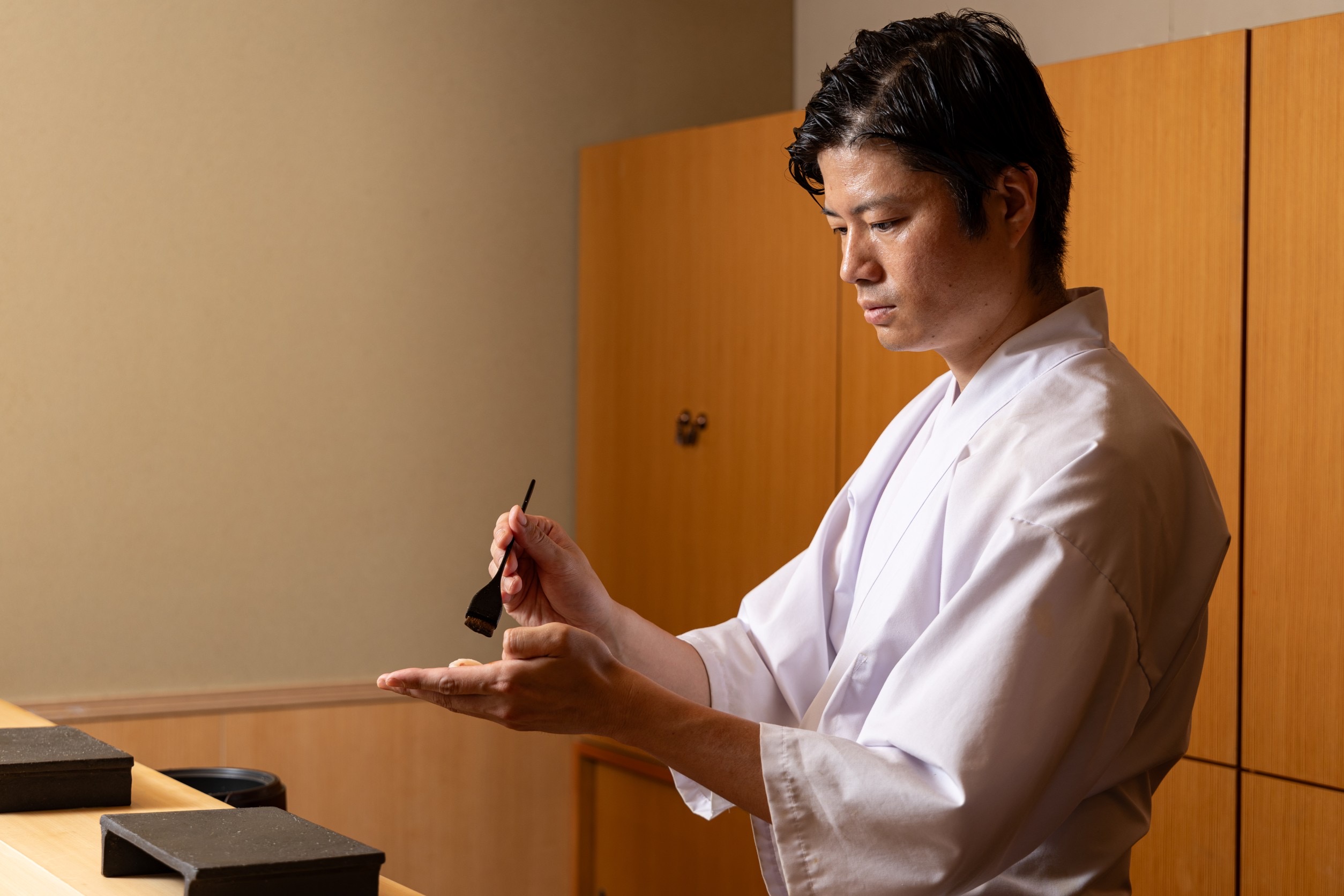
Reviewed by
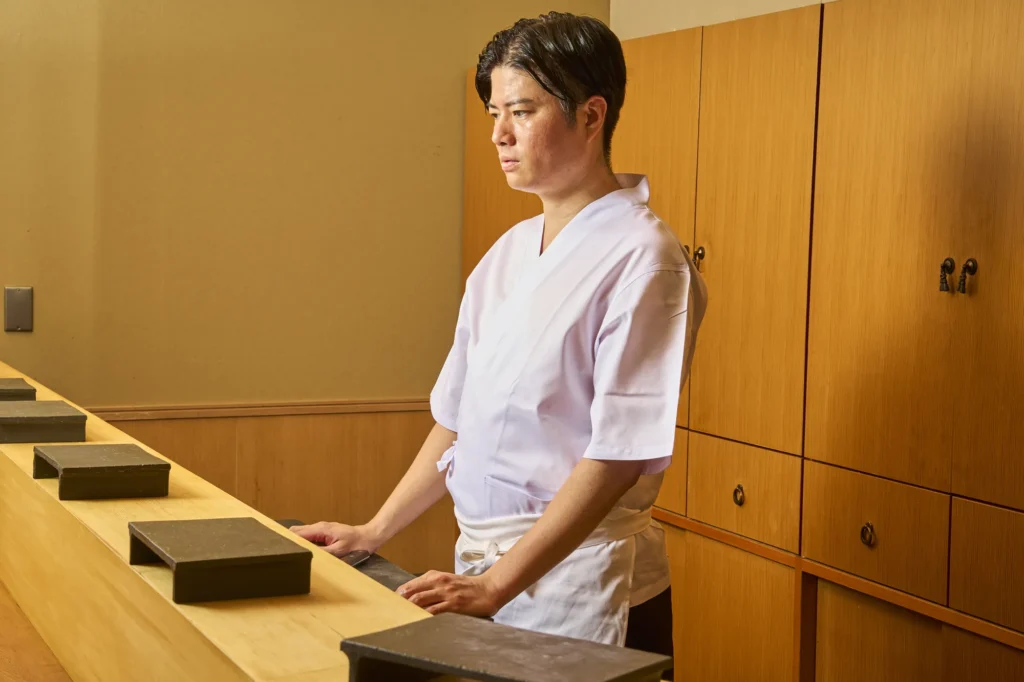
Tatsuo TakadaHead chef and owner of Sushi Tanji. Trained in the Edomae tradition and rooted in Kyushu, he leads the eight-seat omakase counter in Oku-Akasaka, Tokyo, and reviews The Tokyo Sushi Guide.