

The Tokyo Sushi Guide
one layer deeper.
Seasonal fish, the craft of the itamae, vessels and sake — and the culture that surrounds them.
Curated by Sushi Tanji, Oku-Akasaka
About The Tokyo Sushi Guide
A guide to sushi, told from behind the counter.
The Tokyo Sushi Guide explores sushi from the itamae’s point of view — the fish in season, the craft of the hands, the vessels, the sake, and the culture that surrounds it all.
Drawing on years at a sushi counter in Akasaka — the sourcing and ageing of fish, the balance of rice and topping — we share the thinking behind each piece.
Whether it is your first omakase or you already know the pleasures of the counter, these are readings meant to make the time spent over a single piece a little richer.
01
From the Counter
Sourcing, curing, aging, rice.
Knowledge drawn from the daily craft.
02
The Culture Around Sushi
Fish, vessels, sake, tea, manners.
The culture behind a single piece.
03
In Japanese, English & Chinese
For first-timers and devotees alike.
Shared with care, at home and abroad.
Start Here
Begin with these three.
An entry point for the first-timer. Start here, and the whole of sushi comes into view.
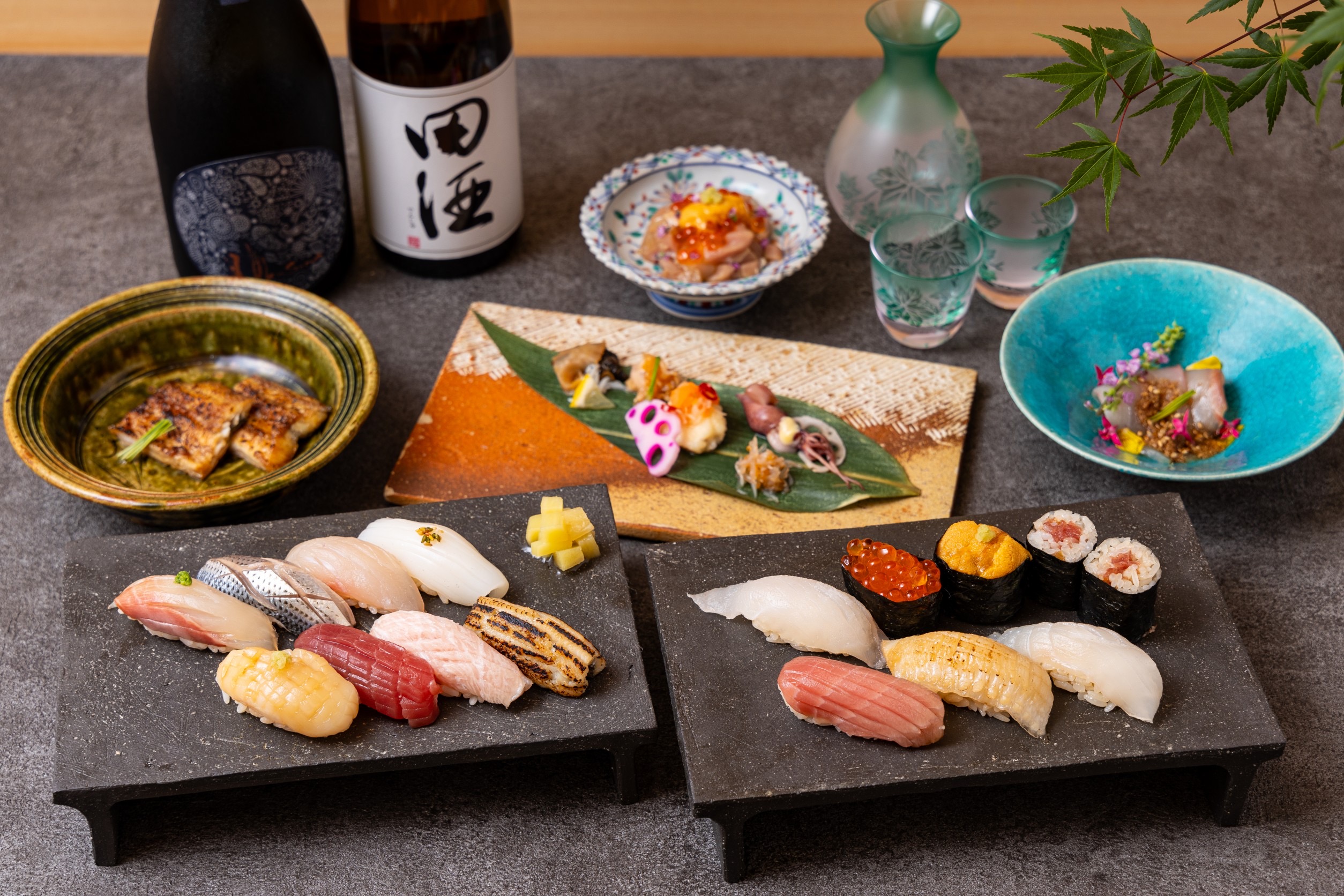
Your First Omakase
How it works, what it costs, how the evening unfolds, and the small courtesies — a complete guide to enjoying it with ease.→
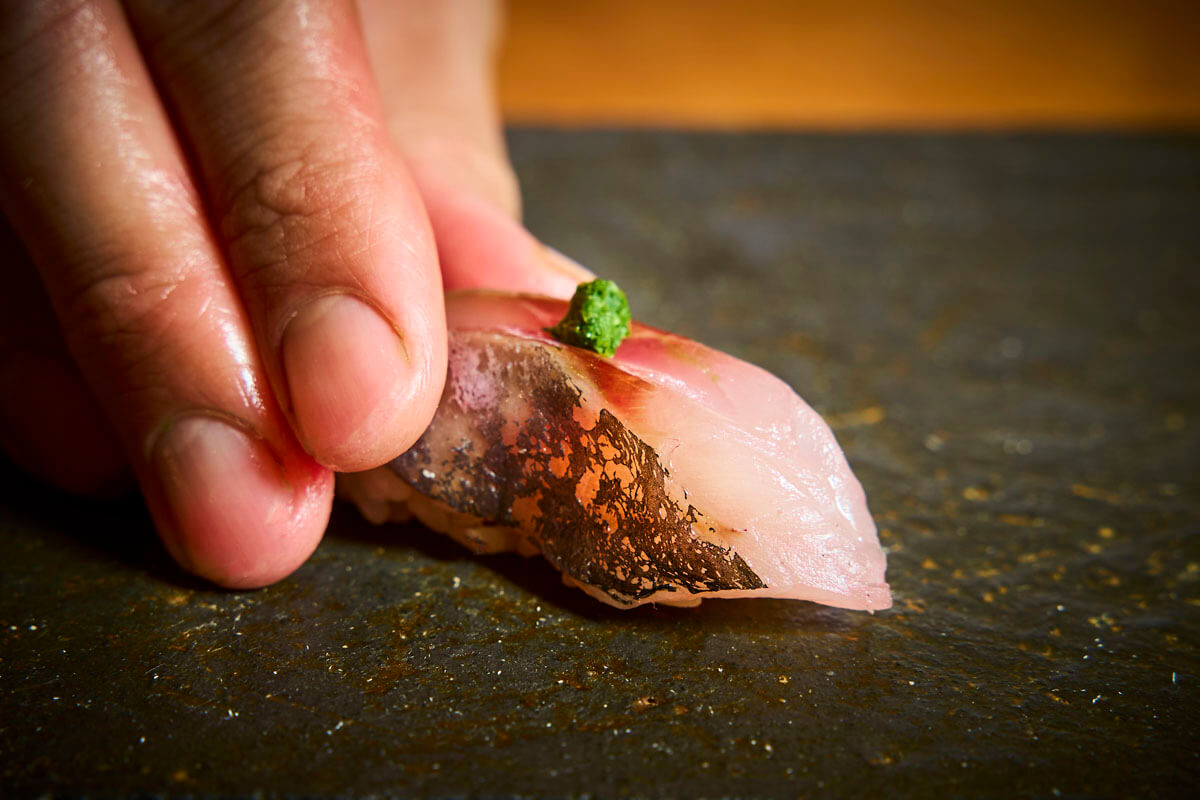
Sushi Etiquette
Hands or chopsticks, soy sauce, timing — the small manners that let you settle into your seat.→
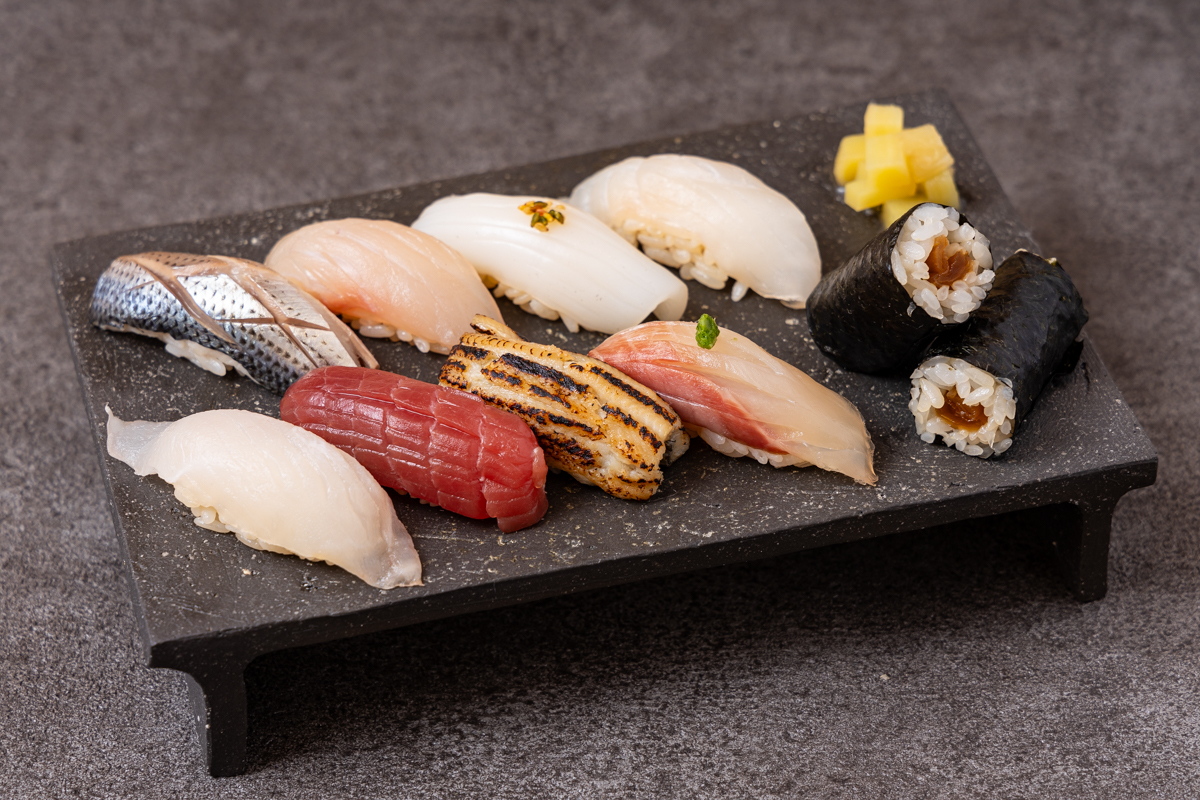
What Is Edomae Sushi
Curing, marinating, ageing — how Edomae technique transforms the fish.→
Latest
Latest articles.
New stories from The Tokyo Sushi Guide.
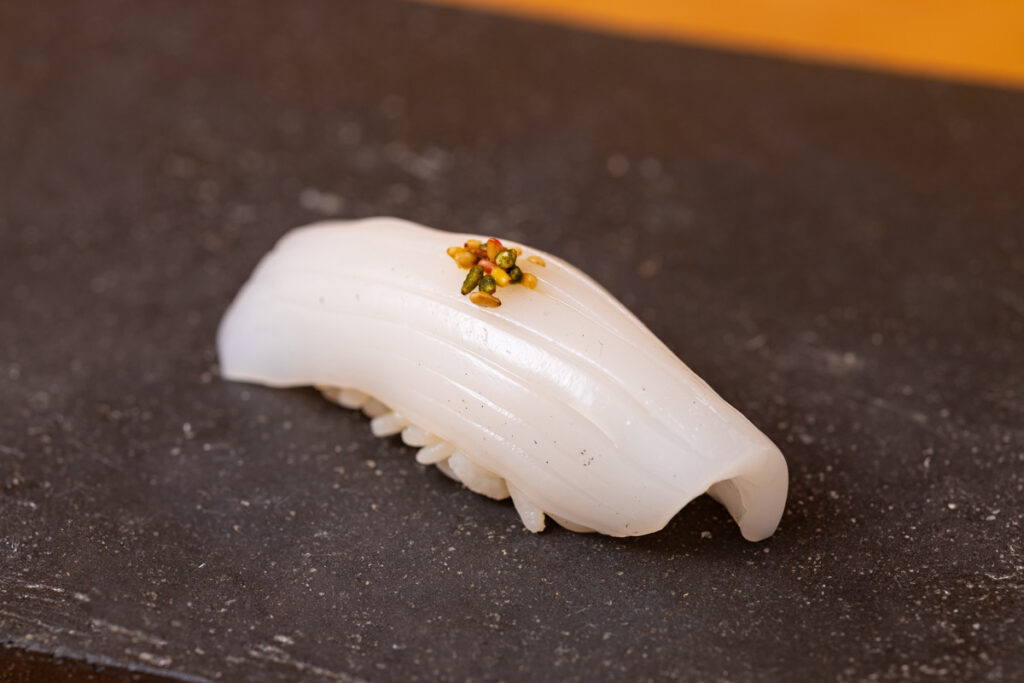
Explore by Theme
Explore by theme.
From your first omakase to fish, the counter, and culture — enter wherever your curiosity leads.
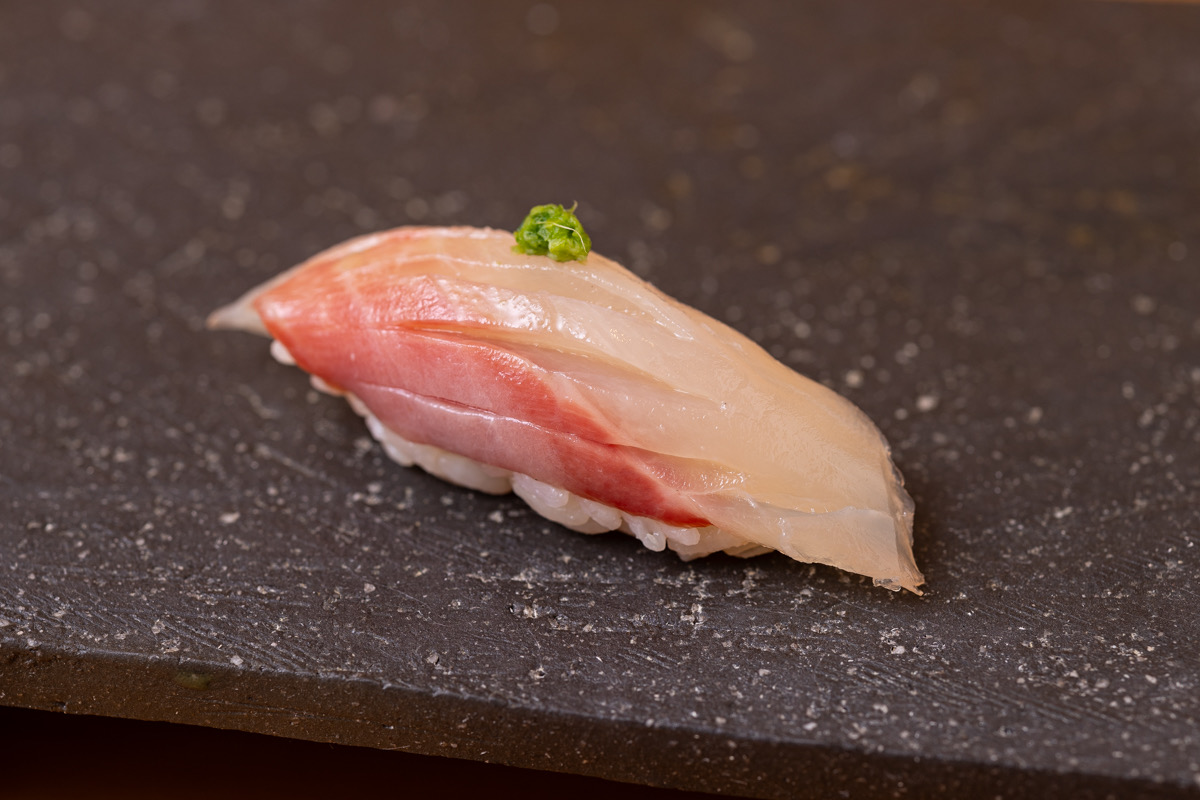

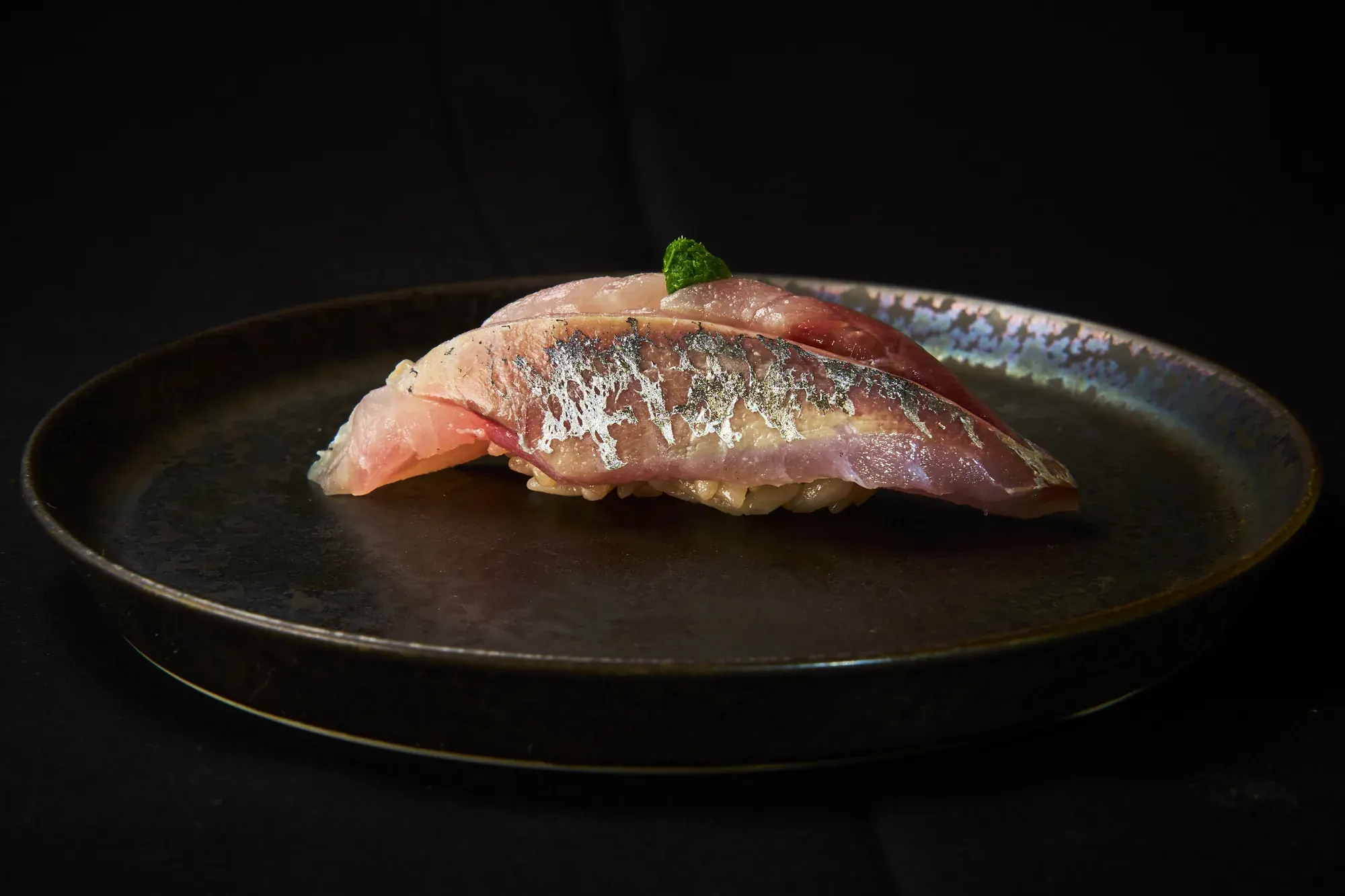
Fish & Craft
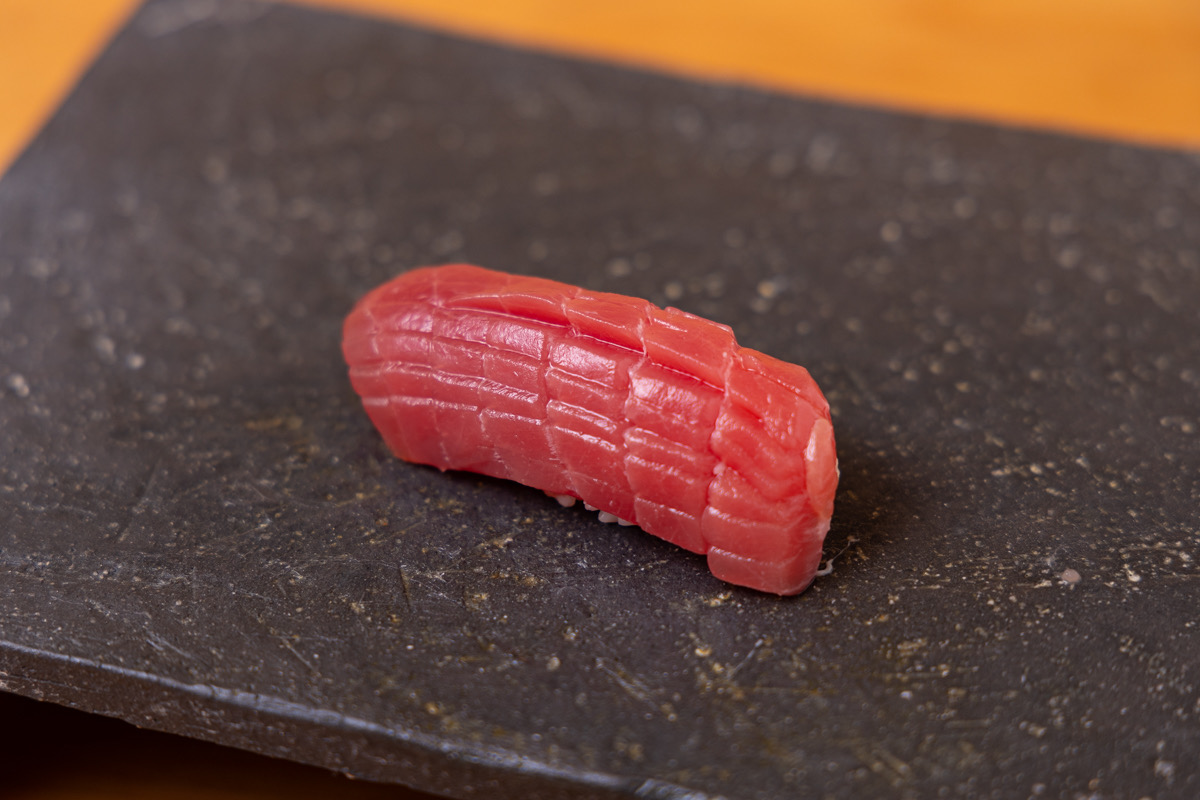
Know the fish, know the craft.
Why is this piece served just so? Read the fish, the season, and the work.
Why Aged Fish Tastes Better: Inosinic Acid & Amino Acids
Read the story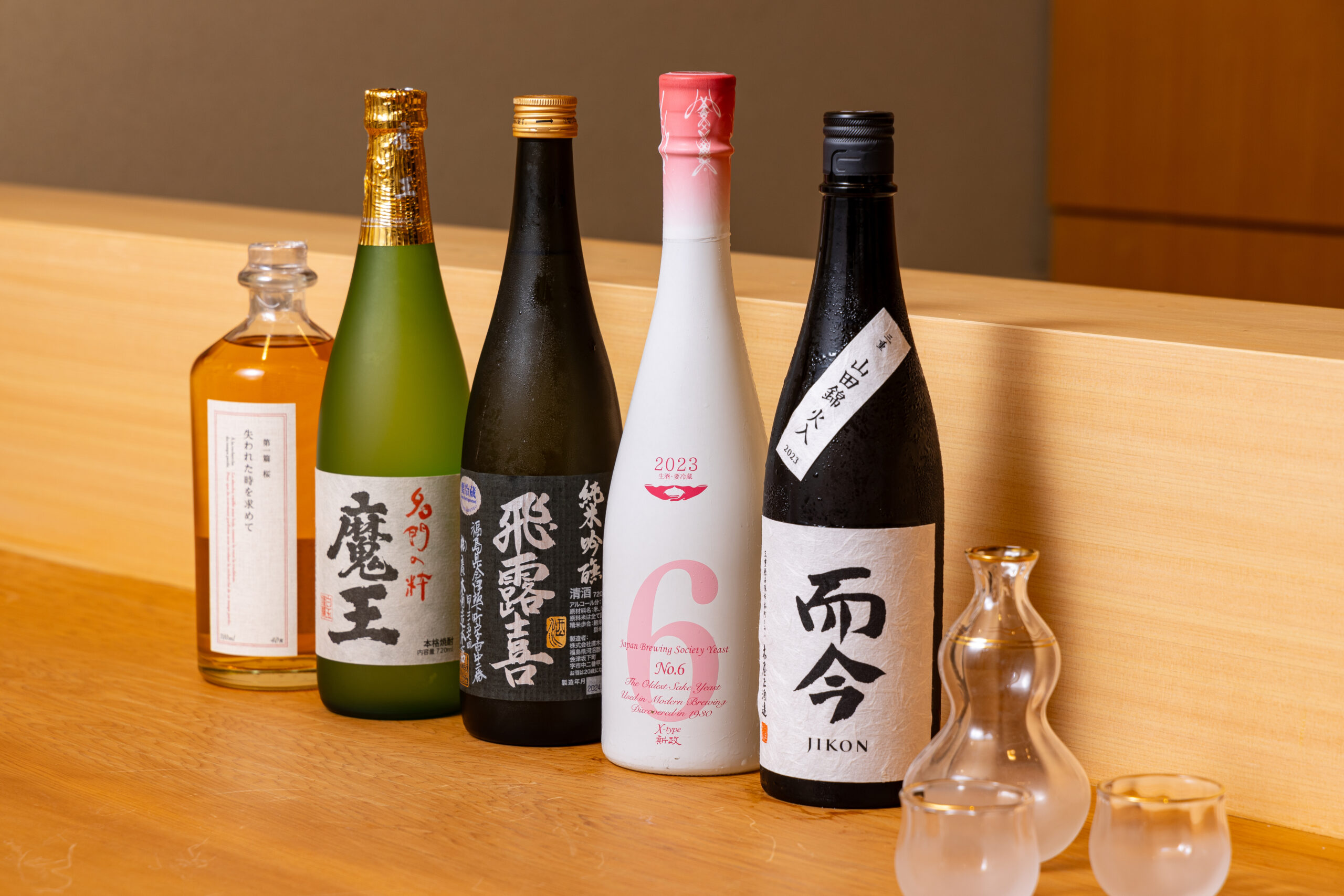
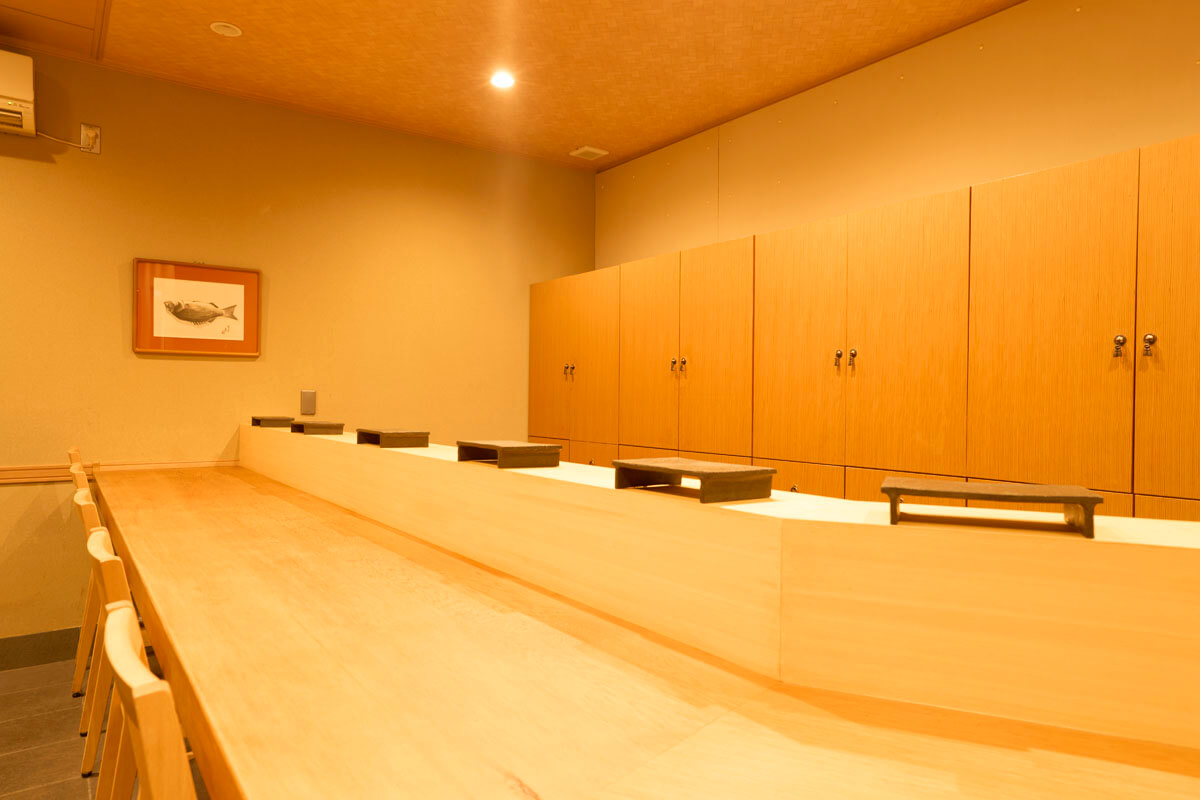
Culture & Experience
Sushi, savoured as culture.
The vessels, the sake, the hospitality behind a single sitting.
Sake with Sushi: Three Principles Beyond Light and Dry
Read the storySupervising Chef
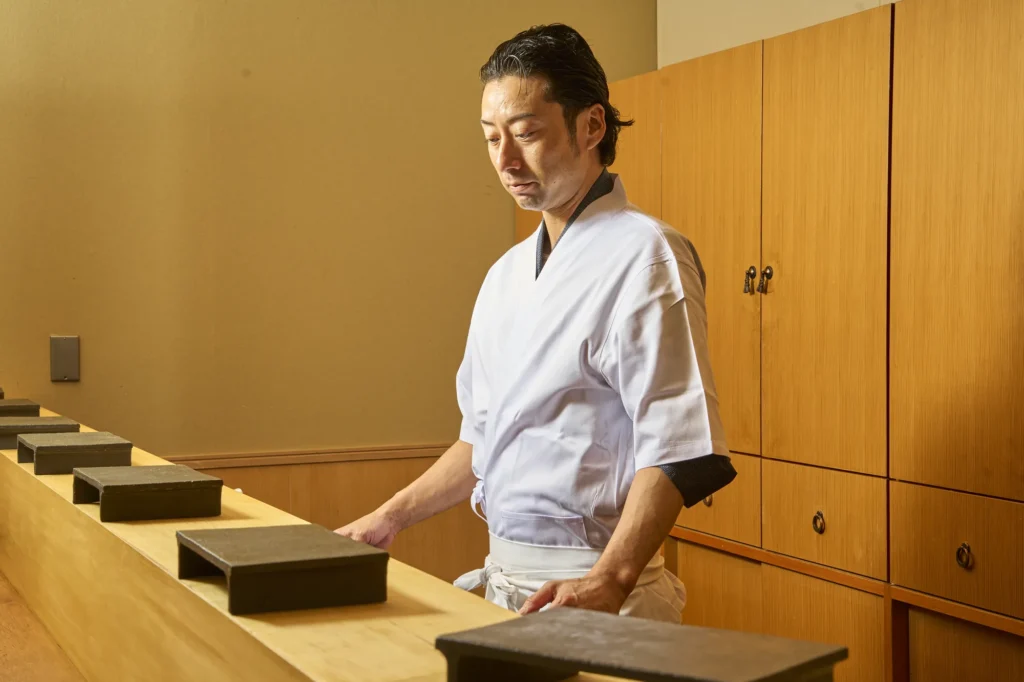
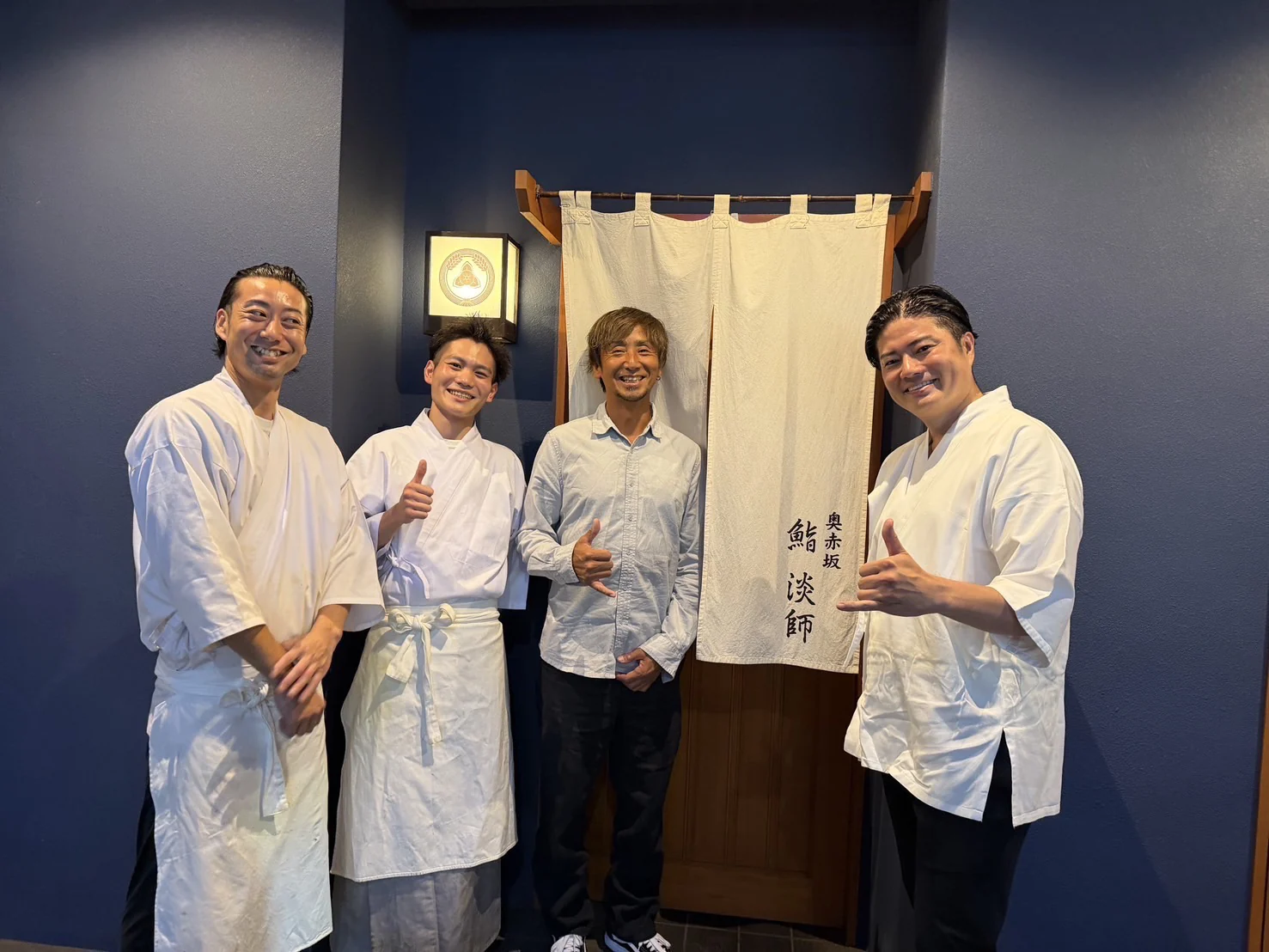
Tatsuo Takada髙田 達央
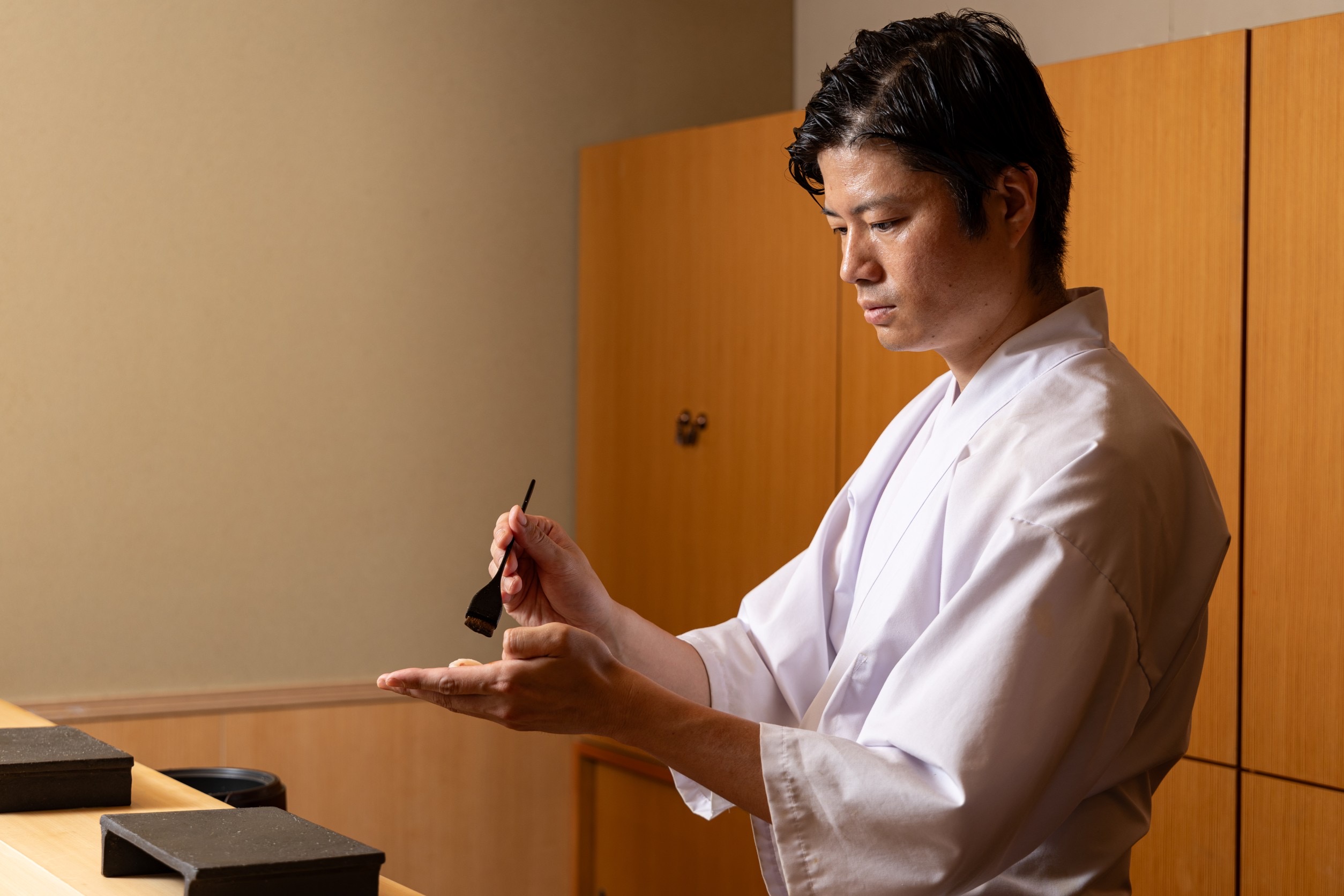
Owner & Itamae / Sushi Tanji, Oku-Akasaka
Born in Fukuoka. He learned every step, from preparation to forming the nigiri, at a celebrated restaurant in Shibuya, deepening his understanding of provenance, bleeding, and ageing. He keeps his own sourcing routes for Kyushu ingredients and uses Karatsu ware from Saga for his sushi board and chopstick rests.
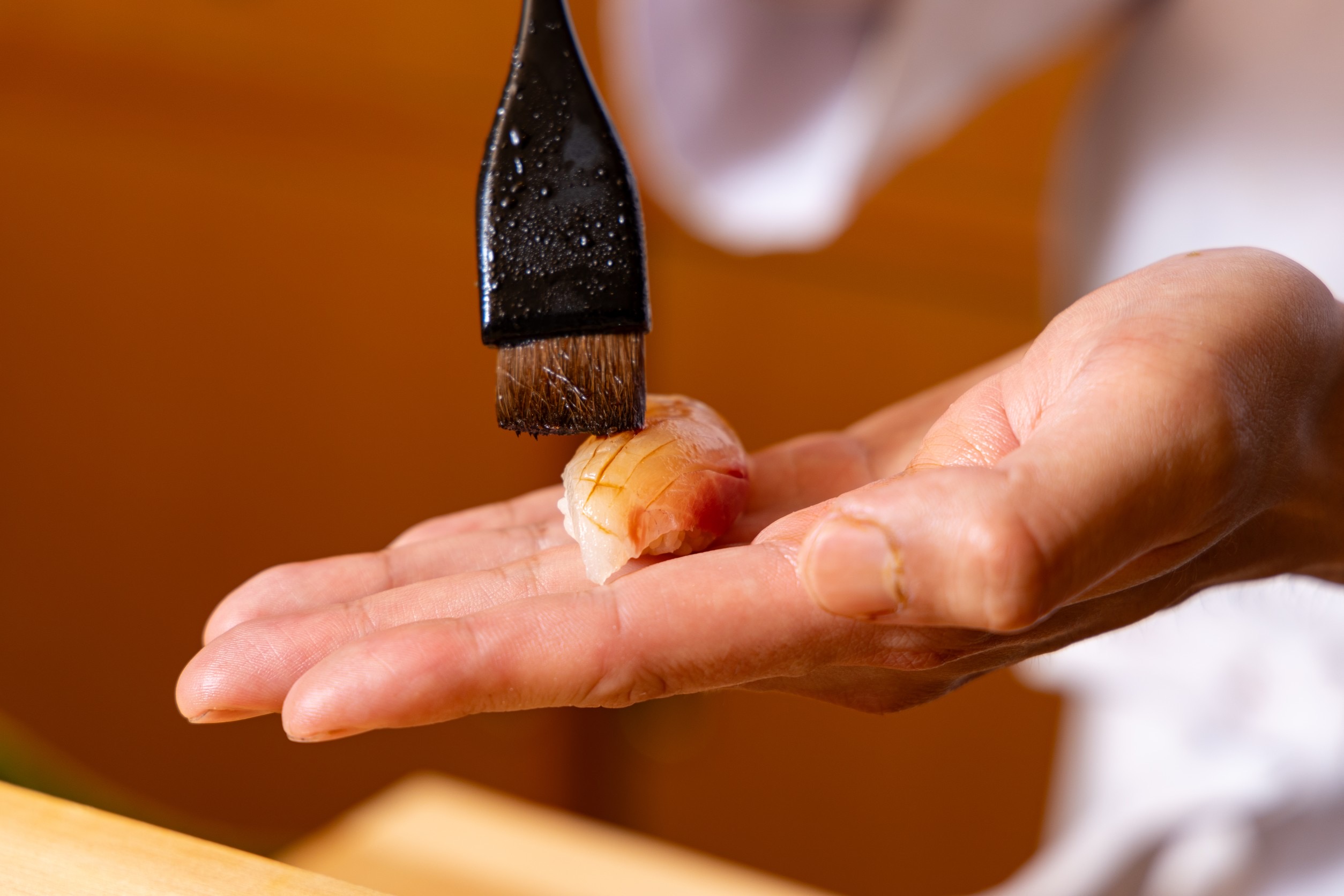
He reads the condition of each fish and forms it into a piece at its finest moment. The knowledge gathered at the counter each day is what shapes this guide.
Good to Know
Questions, answered
How far in advance should I book?
An omakase counter has only a few seats, so once your date is set it is best to reserve early. Last-minute openings do happen, but for anniversaries and other fixed dates we recommend booking well ahead. Reservations are taken online.
Is there any etiquette I should keep in mind at the counter?
Go easy on strong fragrance, which competes with the scent of the fish. Photographing your own plate is usually fine; if you would like to photograph other guests or the chef, a quick word first puts everyone at ease. Eat each piece soon after it is served — enjoy the conversation, but keep the rhythm, and you will not miss the moment it tastes best.
Can I ask for a sake pairing?
Yes. Choosing sake to match the fish and the work behind it changes the depth of the flavour. Tell us the direction you enjoy — crisp and clean, or rounder and savoury — and we can suggest pours that follow the arc of the course.
How should I tell you about allergies or fish I would rather avoid?
The smoothest way is to tell us when you book, or before you are seated. An omakase is composed as it is served, so the earlier we know, the more naturally we can adjust. For allergies, please always tell us in advance, for your safety.
What is the difference between Edomae ageing and sushi that prizes freshness?
Where a freshness-first approach makes the most of just-caught texture, Edomae draws out umami through work — curing, marinating and resting — and brings the fish to its best state. The same fish tastes markedly different depending on how many days it rests. More on this in What Is Edomae Sushi.
Sushi Tanji | Oku-Akasaka
Next, at the counter.
The world of sushi you have met in this guide awaits you, at a single seat in Oku-Akasaka.
The Tokyo Sushi Guide
The pleasures of sushi, one layer deeper.
A sushi culture publication, from a counter in Akasaka.