
Reviewed by Tatsuo Takada (owner-chef, Oku-Akasaka Sushi Tanji)
Part of The Tokyo Sushi Guide Updated Reading time about 6 minutes See the menu →
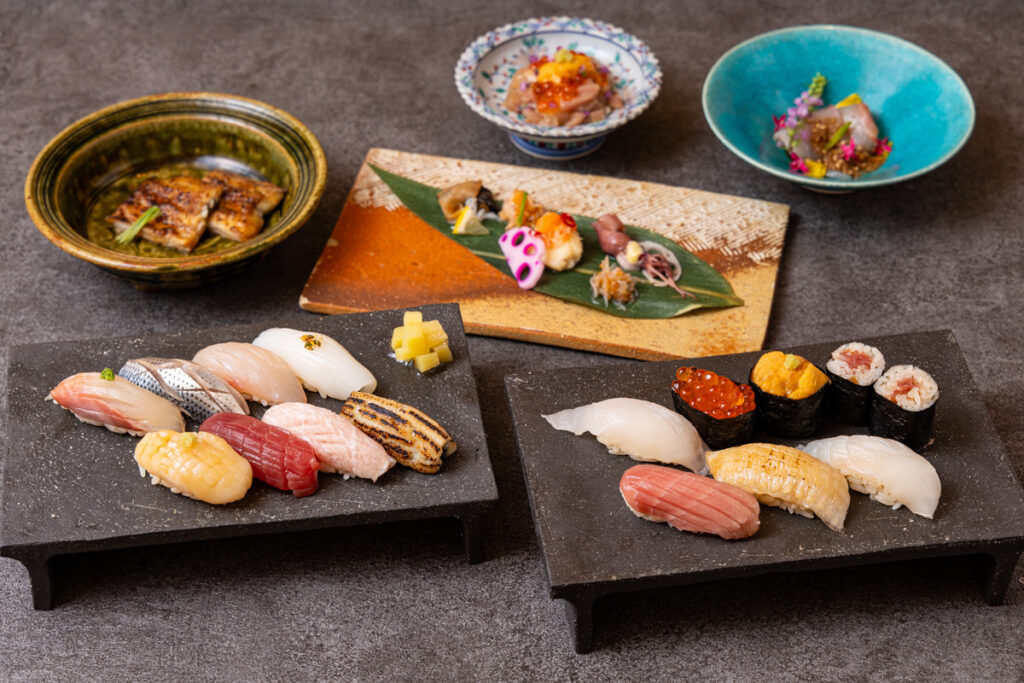
For a first omakase, a meal left in the chef’s hands, price is often the hardest thing to picture. Within Tokyo alone, the spread runs from lunches around ¥5,000 to dinners beyond ¥50,000. This guide sets out realistic figures for lunch, dinner and the finest counters, then looks at what actually determines them. By the end, you should have a fair sense of what your budget can open up.
What you will learn
- Realistic price bands for lunch, dinner and the finest counters
- Sourcing, preparation, seats and location: the four factors behind the price
- What to allow for beyond the listed price, from drinks to service charges
- How the seasons, including the prized first catches of summer, can shape what you pay
- A calm way to set a budget for a first omakase
The whole picture first: Tokyo's omakase price bands
Omakase in Tokyo settles into broad price bands according to the time of day as much as the character of the restaurant. There are exceptions, naturally, yet carrying a map of the whole makes choosing a restaurant far less daunting.
| Time of day / character of restaurant | Rough guide | What to expect |
|---|---|---|
| Omakase at lunch | ¥5,000 to around ¥15,000 | Often a shorter course centred on nigiri (hand-formed sushi) |
| Mid-range dinner | ¥15,000 to around ¥30,000 | A full course pairing small dishes with nigiri |
| Dinner at the finest counters | ¥30,000 to beyond ¥50,000 | Aged or rare fish at a counter of very few seats |
Lunch omakase, an inviting place to begin
Lunch is where many people first take a seat at the counter. For roughly ¥5,000 to ¥10,000, the usual shape is around ten pieces of nigiri finished with a bowl of soup. In many restaurants the same chef works from the same morning’s preparation as at night, so a gentler price does not mean lighter work. It is closer to the truth to say the course is simply shorter. If you are curious about the feel of the counter, midday is a lovely place to start.
Dinner prices, from the mid-range to the very top
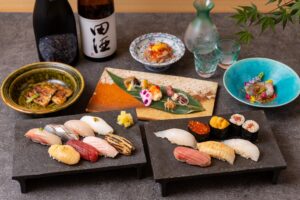
In the evening, ¥15,000 to around ¥30,000 is a sound benchmark. Most courses open with a few tsumami (small seasonal dishes), move through a dozen or so pieces of nigiri, then close with a bowl of soup. Along the way you taste the full breadth of Edomae work, the traditional Tokyo way with sushi: curing with vinegar or salt, marinating in soy, brushing each piece with nikiri, a lightly sweetened soy glaze.
Above ¥30,000, the reasons for the price come into focus: wild bluefin tuna, sea urchin of the grade the market prizes most, fish aged patiently over days, a counter kept to a handful of seats. Even so, price does not rise in step with satisfaction. Whether the grandest room suits you depends as much on mood as on appetite.
The four things that set the price
Broadly speaking, four elements decide what an omakase costs.
- SourcingFish that command high prices at market, such as wild bluefin tuna or the first shinko (young gizzard shad) of the year, are naturally reflected in the bill.
- PreparationEdomae work such as curing, marinating or slow ageing asks for days of time as well as a practised hand.
- SeatsA counter of eight or so seats can welcome only a limited number of guests in an evening.
- LocationIn central districts such as Ginza or Akasaka, rent inevitably finds its way into the price.
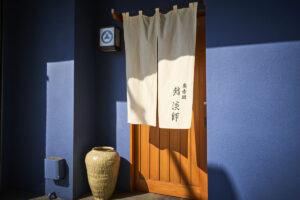
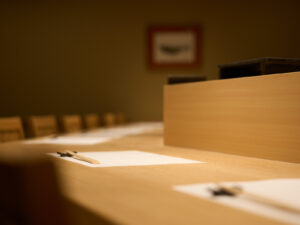
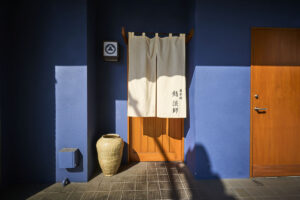
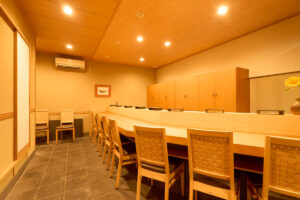
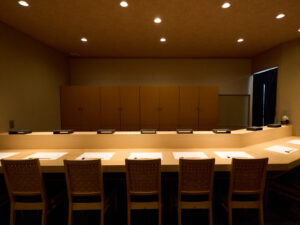
Take Sushi Tanji in Tokyo’s Oku-Akasaka, built around a hinoki (Japanese cypress) counter of eight seats. A room of that scale allows every piece to be finished before the guest’s eyes, yet it also limits how many people can be welcomed in a night. Behind most omakase prices sits a structure much like this.
What to allow for beyond the listed price
Beyond the figure on a booking page or menu, a few things are worth allowing for. Sake tends to run from ¥1,000 to the low ¥2,000s for a gō (a small carafe of roughly 180ml), while a pairing matched to each piece can pass ¥5,000. Some restaurants add a service charge of around ten per cent; others list prices before tax. Allowing twenty to thirty per cent above the listed figure keeps the final bill free of surprises.
Season and price: the counter in July
The seasons play their part as well. In July, Tokyo counters begin to fill with the fish of summer: aji (horse mackerel), isaki (chicken grunt), plus the very first shinko of the year. Fish at the start of their season, known as hatsumono, tend to fetch high prices at market, so a restaurant that prices by the day may feel the effect, as may anyone ordering piece by piece. A set omakase course, by contrast, seldom moves much with the calendar. The same budget meets different fish as the months turn, which is a quiet pleasure all of its own.
Setting a budget for a first visit
For a first omakase, a comfortable price band is the natural place to begin. Whether at lunch or over a dinner in the ¥10,000 range, the interest of Edomae work comes through in full. Asking about the course price when you book, along with the treatment of drinks plus the service charge, is not remotely rude. It is entirely ordinary.
What the price includes also differs from house to house. At Sushi Tanji, for instance, the meal draws to a close in the tea room, with a bowl of matcha alongside a seasonal wagashi (a delicate Japanese confection), all of it held within a single experience. Looking beyond the number to the kind of time a restaurant has prepared makes it easier to see where a budget is best spent.
Frequently asked questions
What is the lowest realistic price for omakase in Tokyo?
At lunch, courses appear from around ¥5,000. Some dinners begin in the low ¥10,000s, though allowing about ¥15,000 opens up far more choice. Drinks plus any service charge sit on top of the listed price.
Does a higher price mean better sushi?
The figure reflects not only the fish but also the seats, the location, the labour of preparation. Costlier restaurants do make it easier to meet rare fish alongside painstaking work, yet satisfaction ultimately rests on your own taste. Starting within a comfortable range, then learning what you love, is the surest path.
Is it rude to ask about prices when booking?
Not at all. Many guests ask about the course price, the handling of tax, the service charge, a rough figure for drinks. Restaurants are entirely used to such questions. Settling them ahead lets the evening end without surprises.
Is it all right not to drink alcohol?
Perfectly. Plenty of guests take the whole meal with tea, which keeps the bill gentler as well. If sake tempts you, one graceful approach is to describe your taste. The restaurant will gladly choose a single glass to suit. There is no need to stand on ceremony.
From the guide to the counter
Taste it at our eight-seat counter in Oku-Akasaka.
Classic Edomae craft with careful modern aging – served piece by piece, with English guidance for overseas guests.
Reserve at Sushi Tanji Explore The Tokyo Sushi Guide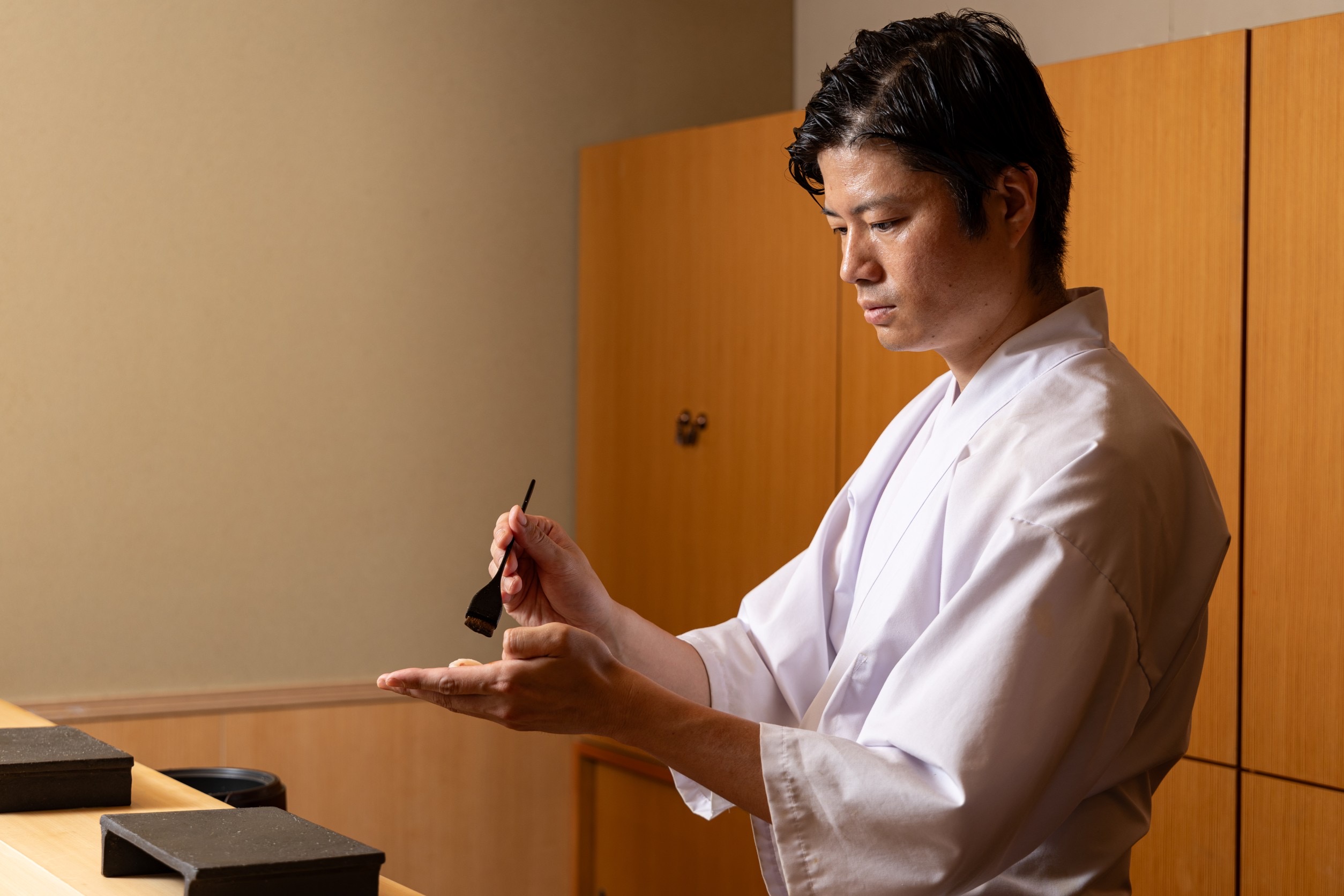
Reviewed by
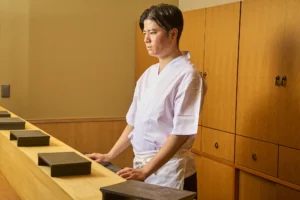
Tatsuo TakadaHead chef and owner of Sushi Tanji. Trained in the Edomae tradition and rooted in Kyushu, he leads the eight-seat omakase counter in Oku-Akasaka, Tokyo, and reviews The Tokyo Sushi Guide.