

Written by Oku-Akasaka Sushi Tanji, an omakase counter in Akasaka, Tokyo.See the menu →
The difference between anago and unagi comes down to where they live plus how heat is applied to them. Anago is a sea fish that shelters in sandy, muddy beds and in the Edomae tradition it is simmered. Unagi travels between river and sea and it is skewered then grilled. For all that they share a long, slender shape, the tools used to prepare them differ, as does the lineage of the sweet-savoury glaze that finishes each one. This article follows the making of simmered anago along with the true nature of tsume, tracing why these two fish have walked separate paths.
In short
Anago is a fish of the sea; unagi ascends rivers. Edomae sushi works with anago, simmered until tender then brushed with tsume or served simply with salt. Unagi is generally grilled as kabayaki by specialist houses, so it appears only rarely on a sushi counter’s list.
What you will learn
- How anago and unagi divide the waters between them: saltwater versus a life spent moving between river and sea
- Why the Edomae tradition simmers anago, plus the gentle heat that keeps the pot below a boil
- That tsume is born from the anago simmering liquid, unlike the glaze used for unagi
- How tsume or salt changes the way an anago's flavour reveals itself
- The character of August anago plus the season considered its best
- The background behind unagi's rarity on a sushi menu
Anago and Unagi Are Different Fish Entirely
The sushi counter works with maanago (whitespotted conger), a sea fish that lives buried in the sandy, muddy floors of bays and coastal shallows. The Japanese eel, by contrast, grows up in rivers plus brackish water before descending to the sea to spawn. Both are long and slender, with small eyes and a distinctive slipperiness to the skin. The resemblance invites confusion, yet the water they grow in differs, as does the quality of their flesh.
The greatest distinction lies in fat. Unagi carries a thick richness through its flesh and grilling draws that fat to the surface in glistening beads. Anago is more restrained, its flesh yielding into soft flakes once heat reaches it. That single difference is what sends the two fish down separate culinary roads.
| Anago (whitespotted conger) | Unagi (Japanese eel) | |
|---|---|---|
| Habitat | Sandy, muddy beds of bays and coastal waters | Grows in rivers plus brackish water; spawns at sea |
| Fat content | Restrained, with delicate flesh | Generous, with a deeper flavour |
| Principal cooking method | Simmered (nianago) | Grilled (kabayaki) |
| What defines the flavour | The simmering liquid plus the tsume made from it | The aroma of the grill with its glaze |
| Considered at its best | Early summer through summer | Wild: autumn into winter. Farmed: year-round |
Why Unagi Rarely Appears on a Sushi Menu
Edomae sushi grew up around the waters of Edo Bay, where anago was a familiar catch. The anago of Tokyo Bay, from the waters off Haneda among other grounds, remains well regarded today. Unagi took a different route. Skewering, splitting, steaming plus grilling became a discipline in their own right and quite early on the trade set up shop separately. Within the same neighbourhoods, the two fish came to belong to different kitchens.
The equipment parts ways as well. Unagi calls for charcoal, skewers plus a pot of glaze replenished over the years. There is little reason for a sushi house to keep that full arrangement behind the counter, whereas anago asks only for a single pan. Skill and equipment both pointed the same way, so anago stayed at the sushi counter. Sushi houses that serve unagi do exist, though they are few.
How Simmered Anago Comes to Be
With anago, the care taken in preparation shows up plainly in the finished piece. At an Edomae counter, the work tends to follow a sequence something like this.
- Removing the slipperinessHot water is poured over the fish, then the skin is scraped with the back of the knife. Skip this and a particular odour tends to linger once the fish is simmered.
- Splitting and boningThe fish is opened from the back, then the central bone plus the dark bloodline are lifted away. Fingers check as the work goes, so that no fine bones remain.
- A brief blanchingA quick pass through boiling water carries off excess fat plus any odour, after which the fish goes into cold water.
- A quiet simmerWater is combined with sake, soy sauce plus zarame sugar, a drop-lid set on top and the pot is held below a boil. A vigorous boil splits the flesh and it falls apart.
- Cooling in the liquidThe heat is switched off and the fish cools while still resting in its liquid. It is during that cooling that the flavour settles into the flesh.
Both the timing and the temperature shift according to the size of the anago plus how much fat it carries. Even in one pan, a thick fish and a slender one cannot be simmered together. At Sushi Tanji in Oku-Akasaka, preparation is never treated as the point in itself. It is the means of drawing a fish closer to the moment it tastes best. The work of simmering belongs to that same idea.
Tsume: Where the Simmering Liquid Arrives
The word tsume comes from nitsumeru, to reduce by simmering. It refers to the sweet-savoury glaze made by straining the liquid the anago was cooked in, then reducing it until it thickens. What it holds, in other words, is the concentrated savour of the anago itself. That is why a thin sweep of the brush connects so naturally with the flavour of the fish.
The glaze used for unagi has a different lineage. Skewers are dipped as the fish grills, fat drips down into the pot below and through endless repetition the glaze matures. Tsume comes from the simmering pot; the unagi glaze comes from the grill. Similar in colour, they arrived by different roads.
Tsume or Salt
Simmered anago does not always meet a brush of tsume. Some houses offer it with a pinch of salt or with a squeeze of yuzu or sudachi. Tsume wraps the anago in sweetness, while salt lets the delicacy of the flesh plus the fragrance of the simmering liquid stand on their own. Neither ranks above the other. It is a judgement about how that day’s anago is best shown.
A large specimen may be shaped whole into a single piece, a style known as ippon-zuke or halved to make two. A light searing of the skin side, adding a note of toastiness, is another touch often seen in the Edomae style.
Anago in August
Anago is held to be at its finest from the rainy season into summer and fish from this stretch are sometimes called tsuyu anago, rainy-season anago. August anago has tender flesh with an elegant thread of fat running through it. The savour is light, quite unlike the heavy richness of winter.
Within a summer menu, simmered anago also does its work through temperature. After a run of cool white fish plus vinegar-cured pieces, one faintly warm anago shifts the whole scene in the mouth. In an air-conditioned room, that contrast is a pleasure particular to the season.
Where It Arrives in the Course
Simmered anago is usually placed towards the close of an omakase. The peaks of tuna plus silver-skinned fish have passed and the meal is turning towards tamago or rolls. The sweetness of the tsume draws that whole progression to a gentle rest. Very little time passes between the shaping of the piece and its arrival, so it rewards being taken up soon after it is set down.
There is no need to approach it carefully. If tsume has been brushed on, the piece asks for no soy sauce; it is ready just as it is. At Tanji, the meal closes in a proper tea room with matcha plus a seasonal sweet and the sweetness of the anago settles quietly into the path towards that final bowl. Other sushi ingredients are gathered in The Tokyo Sushi Guide.
Frequently asked questions
How do anago and unagi differ in flavour?
Unagi is generously fatty, arriving with the toastiness of the grill plus the depth of its glaze. Anago carries less fat, breaks softly into flakes and leads with the delicate savour it has taken up from the simmering liquid. Even under a similar sweet-savoury seasoning, most people find unagi rich where anago is gentle.
Can I order unagi at a sushi house?
Some do serve it, though they are not many. Unagi is a specialist craft, calling for its own equipment plus skill from the skewering through to the grilling, so an Edomae counter generally works with anago instead. When unagi is what you are after, a house devoted to it is the surer choice.
What is tsume made from?
It is the liquid the anago was simmered in, strained, then reduced with sugar plus soy sauce. Because it concentrates the savour drawn from the fish itself, a small amount brushed on joins naturally with the flavour of the flesh. Its origin differs from the unagi glaze, which is built up during grilling.
Is anago ever eaten raw?
The blood of anago and unagi contains a component that heat renders harmless, so custom holds that neither is handled raw. In the Edomae tradition, the work centres on applied heat: simmering or grilling plain as shirayaki. This property is largely why the fish so seldom appears as sashimi.
Is simmered anago served warm?
It is usually shaped while faintly warm. After simmering, the fish is held at temperature, then brought to its final state just before it is formed. The contrast with cool white fish becomes part of the flavour, so taking it up without delay makes its character easiest to recognise.
From the guide to the counter
Taste it at our eight-seat counter in Oku-Akasaka.
Classic Edomae craft with careful modern aging – served piece by piece, with English guidance for overseas guests.
Reserve at Sushi Tanji Explore The Tokyo Sushi Guide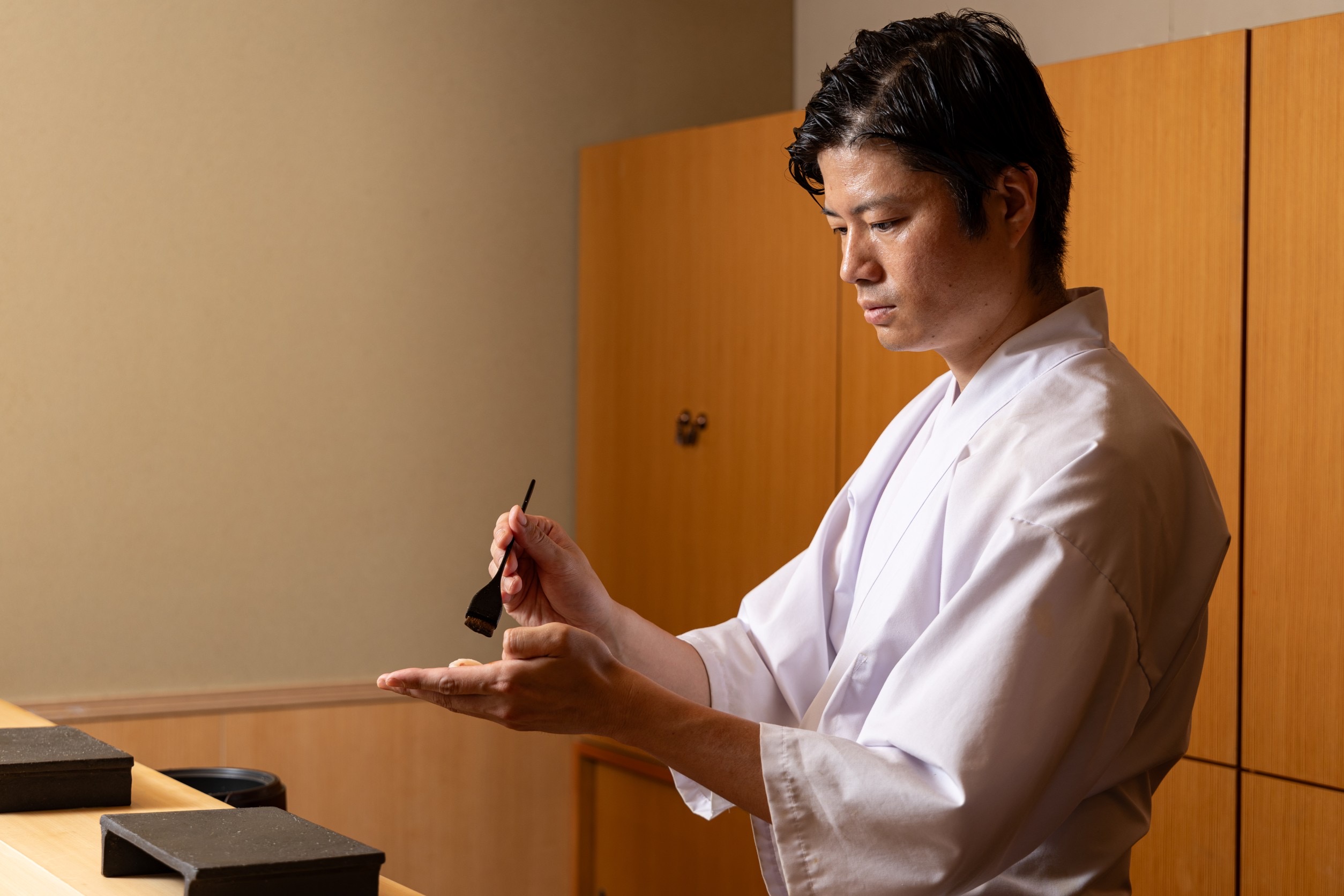
Reviewed by
Tatsuo TakadaHead chef and owner of Sushi Tanji. Trained in the Edomae tradition and rooted in Kyushu, he leads the eight-seat omakase counter in Oku-Akasaka, Tokyo, and reviews The Tokyo Sushi Guide.