

Reviewed by Tatsuo Takada (owner-chef, Oku-Akasaka Sushi Tanji)
Part of The Tokyo Sushi Guide Updated Reading time about 6 minutes See the menu →
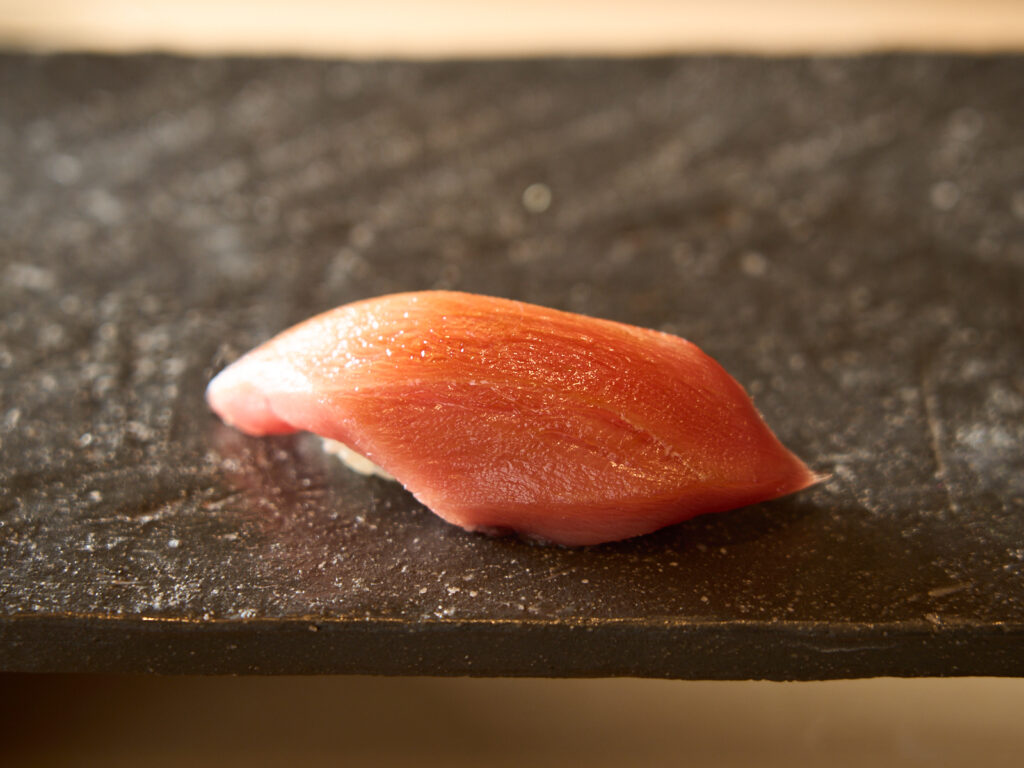
Kuruma ebi is skewered and boiled, and botan ebi is pressed onto rice just as it is. Two prawns, and at the sushi counter two entirely opposite approaches. In this piece we look at what the boiled prawn of the Edomae (classic Tokyo) tradition draws out, and where the soft, clinging texture and sweetness of raw prawn come from, following the season and the quiet gestures of the counter.
In short
Kuruma ebi, the Japanese tiger prawn, is an Edomae classic: skewered, boiled in salted water and pressed while it still holds a gentle warmth, which brings out its fragrance and a sweetness with real spring to it. Botan ebi is served raw, prized for its soft, clinging texture and a sweetness that lingers on the tongue.
What you will learn
- The Edomae steps for kuruma ebi: skewering, salt-boiling and cooling in the open air
- Why boiled prawn is pressed while still warm, and how the rich head is put to use
- Why much of what is sold as botan ebi is in fact toyama ebi
- How raw prawn develops its texture and sweetness, and how to recognise the first signs of darkening
- Choosing a seasoning for prawn, from nikiri to salt and sudachi
- The prawns you are most likely to meet at the counter in October
Kuruma Ebi Boiled, Botan Ebi Raw
For a long time, prawn in Edomae sushi meant one thing: boiled kuruma ebi (Japanese tiger prawn). In an age with little in the way of refrigeration, cooking was a way of keeping seafood sound, and it was also a craft in its own right, coaxing out aroma and colour. The habit of serving botan ebi and amaebi (sweet shrimp) raw spread only once transport and cold storage had caught up.
| Aspect | Kuruma ebi | Botan ebi |
|---|---|---|
| Usual preparation | Skewered and boiled in salted water | Peeled and served raw |
| Texture | A crisp, springy bite | Soft and gently clinging |
| How the sweetness arrives | Lifted by heat, together with aroma | Unfolds slowly on the tongue |
| Colour | Vivid red and white once boiled | Translucent, pale coral |
The Edomae Craft of Kuruma Ebi, from Skewer to Cooling
The work on a boiled prawn begins with keeping it straight.
- SkeweringA bamboo or metal skewer is threaded along the underside, so the prawn keeps its line rather than curling as it cooks.
- Salt-boilingThe prawn goes into plenty of salted water and comes out after a short time judged by its size. Some chefs add a drop of vinegar to brighten the colour.
- Cooling in the airKnown as oka-age, this means lifting the prawn onto a bamboo sieve to cool rather than plunging it into iced water. It keeps the flesh from turning watery and holds the aroma within.
- OpeningThe shell and vein are removed, and a cut along the belly opens the prawn out so it settles neatly over the shari (seasoned rice).
The red of the shell appears as heat frees the pigment from the proteins that bind it. Cook a little too long and the flesh tightens and its sweetness thins; too briefly and the centre stays translucent and tacky. Finding the point between the two is where a chef’s hand shows. There is also an older practice of passing the boiled prawn through sweet vinegar so it takes on a quiet seasoning, and some counters carry it on today.
Why Boiled Prawn Is Served Warm
At many Edomae counters the prawn is not boiled in advance but cooked as its moment in the meal draws near. A boiled prawn left to go cold firms up, and its aroma closes in on itself. Pressed while it still holds the warmth of skin, it offers a fuller, rounder sweetness, and the toasty fragrance of the shell rises gently as you eat.
Some chefs spread a thin layer of the rich miso from the head, its savoury innards, between the prawn and the rice. That deep, concentrated flavour supports the sweetness of the flesh from beneath and gives the piece a sense of depth.
What Botan Ebi Really Is, and Its Silken Sweetness
The species formally named botan ebi is caught in waters such as Suruga Bay, but very little of it reaches the market. Much of what fish markets and sushi counters call botan ebi is said to be toyama ebi (Toyama shrimp), caught in Hokkaido and other northern waters. Both are generous in size, and served raw they show a texture that seems to wrap itself around the tongue.
The sweetness of raw prawn is thought to owe much to amino acids such as glycine. Freshly caught, the flesh is firm and almost crunchy; given a little time, it relaxes, and both texture and sweetness tend to deepen. Left too long, though, it begins to darken from the head down, a change known as kurohen, and the aroma fades with it. Catching the window when the sweetness has arrived and the flesh is still clear is the heart of working with raw prawn.
At Sushi Tanji, we age each fish in the way that suits it and serve it at the moment we judge it to be at its best. Watching for the point at which a prawn’s sweetness comes into its own follows the same way of thinking.
Nikiri, or Salt and Sudachi
Boiled kuruma ebi is often finished with a single light stroke of nikiri (a soy-based glaze). Raw botan ebi welcomes nikiri too, though some chefs prefer a pinch of salt and a few drops of sudachi (a small, fragrant green citrus), which brings the outline of its sweetness into sharp focus. In October the scent of sudachi is still green and bright, a lovely match for raw prawn.
Some counters follow the nigiri by grilling the botan ebi head or turning it into a small soup. The richness of the head is a pleasure of its own, quite apart from the sweetness of the flesh. Leaving the tail on your plate is perfectly fine, so there is nothing to feel self-conscious about.
Prawns at the Counter in October
Wild kuruma ebi is considered at its best from summer into autumn, and October brings the last of that season. Farmed kuruma ebi is available all year, and Kyushu is a region well known for raising it. The botan ebi season varies with where it is caught, and in some waters the catch peaks in autumn.
Within an omakase, boiled prawn often appears in the middle or later part of the meal, and raw prawn tends to follow the shiromi (white-fleshed fish) and hikarimono (silver-skinned fish). Which one you meet depends on the day’s market and on how the chef shapes the meal. The gentle warmth of the boiled prawn, or the silken cling of the raw. We hope you enjoy tasting the difference, one piece at a time.
Frequently asked questions
What is the difference between kuruma ebi and botan ebi in sushi?
Kuruma ebi is an Edomae classic, skewered and boiled in salted water to bring out its aroma and springy bite. Botan ebi is served raw, enjoyed for its soft, clinging texture and a sweetness that lingers on the tongue. Both are prawns, yet the craft behind each runs in opposite directions.
Why is boiled prawn nigiri served warm?
As it cools, the flesh firms and the aroma closes in. Many counters boil the prawn just before it is due and press it while it still holds a gentle warmth, which lets the sweetness and the toasty fragrance of the shell come through.
How does botan ebi differ from amaebi?
Amaebi, or sweet shrimp (formally the northern shrimp), is small, with a soft, melting sweetness. Much of what is sold as botan ebi is toyama ebi, larger and thicker in the flesh, with more texture and substance in each bite.
Can I eat the prawn head and tail?
You are welcome to leave the tail on your plate. If the head is served grilled or in a small soup, it is there to be enjoyed for its rich, deep flavour. Whenever you are unsure, the chef will be glad to tell you across the counter.
From the guide to the counter
Taste it at our eight-seat counter in Oku-Akasaka.
Classic Edomae craft with careful modern aging – served piece by piece, with English guidance for overseas guests.
Reserve at Sushi Tanji Explore The Tokyo Sushi Guide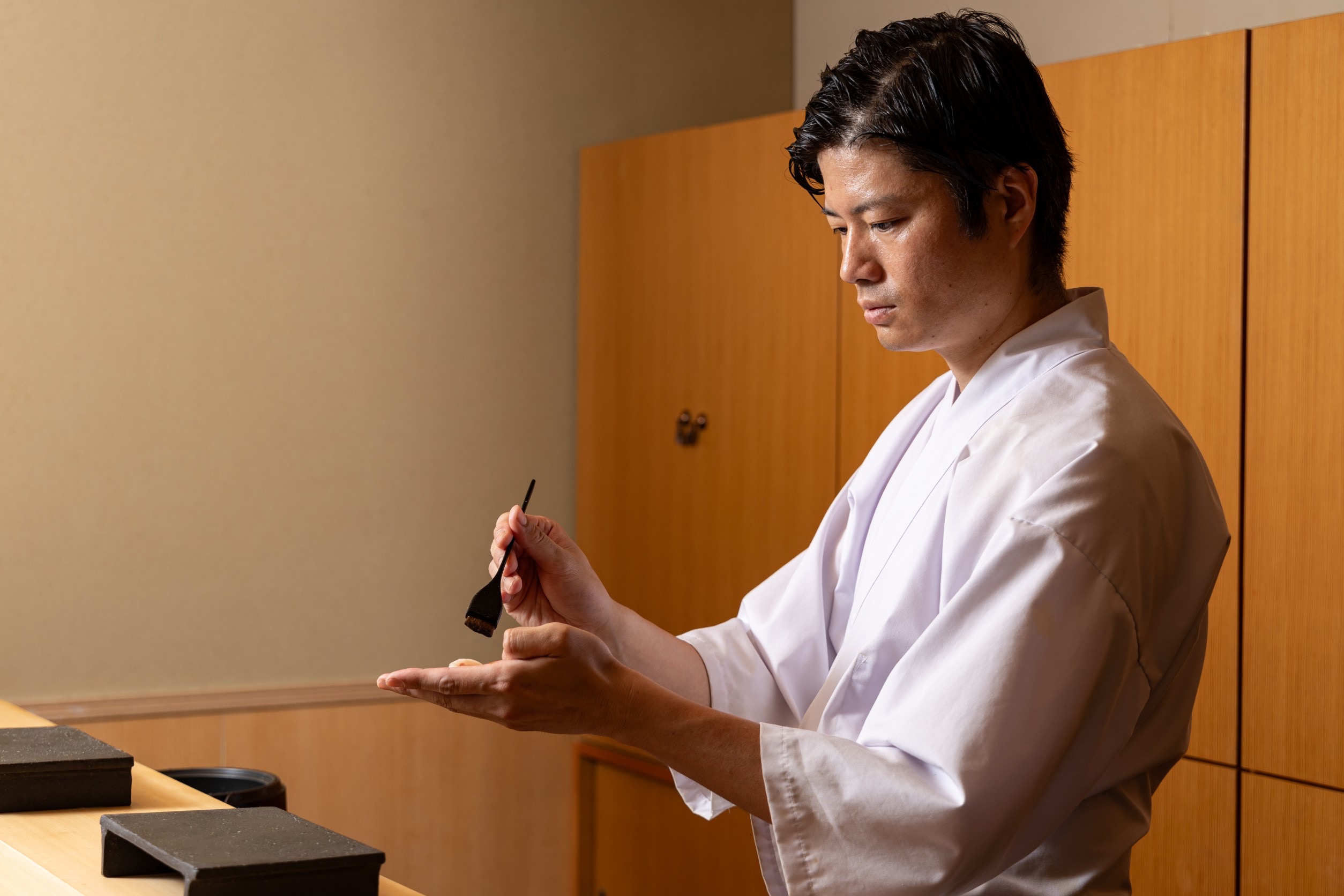
Reviewed by
Tatsuo TakadaOwner of Sushi Tanji. Trained in the Edomae tradition and rooted in Kyushu, he leads the eight-seat omakase counter in Oku-Akasaka, Tokyo, and reviews The Tokyo Sushi Guide.