

Reviewed by Tatsuo Takada (owner-chef, Oku-Akasaka Sushi Tanji)
Part of The Tokyo Sushi Guide Updated Reading time about 6 minutes See the menu →
Gari, thin slices of ginger pickled in sweetened vinegar, sits beside your sushi to refresh the palate between one piece and the next. It may be only a few slices in the corner of a small dish. Even so, the balance of warmth, acidity and sweetness says a good deal about the counter that made it. Here we look at what gari does on the palate, how it is prepared at an Edomae counter, and the moments between pieces when a slice helps the next one shine.
In short
Gari is thinly sliced ginger pickled in sweet vinegar. Its gentle heat and acidity clear away lingering richness and the memory of the previous fish, so the next piece meets a fresh palate. One or two slices, taken as the fish changes, are all it asks.
What you will learn
- How warmth, acidity and sweetness cut through richness on the palate
- Where the name ‘gari’ comes from
- The house method, from scraping the skin to steeping in sweet vinegar
- Why some gari is blush pink and some a pale yellow
- The October shift from young ginger to mature ginger
- When to reach for a slice at the counter
How Gari Refreshes the Palate
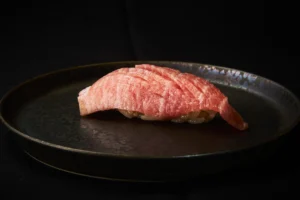
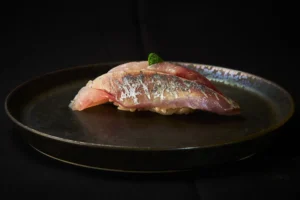
Gari is there so that the last piece does not linger. The ginger’s warmth gently wakes the tongue, the vinegar cuts through richness, and a faint sweetness rounds off the edges. Take a slice after otoro (the richest cut of tuna) or a well-fattened autumn mackerel, and the heaviness quietly lifts. The delicate sweetness of the white fish that follows then comes into clearer focus.
The Name ‘Gari’
‘Gari’ is sushi-counter shorthand, said to echo the crisp gari-gari sound the ginger makes between the teeth. Its formal name is shoga no amazuzuke, ginger in sweet vinegar, and it has long been served with nigiri as a palate cleanser. Like agari, the counter word for green tea, it is one of the names that grew up across the sushi counter.
Making Gari in the House
Many Edomae counters make their own gari. The method is simple, yet the thickness of the slices and the length of the pickling reflect each counter’s own thinking.
- Scrape the skinThe thin skin is lifted away with the edge of a spoon, keeping the fragrant layer just beneath.
- Slice finelyShaving thin slices along the grain helps the ginger keep its pleasant bite.
- Blanch brieflyA quick dip in hot water softens the sharpest heat. The slices are then lightly salted and drained.
- Steep in sweet vinegarThe ginger rests in a blend of vinegar, sugar and salt for several days while the flavours settle.
The proportions of the sweet vinegar and the time in hot water vary from counter to counter. Some keep a lively heat, while others prefer a softer, gentler finish.
Thickness, Sweetness and Colour: How Each Counter Differs
| Element | Variations | On the palate |
|---|---|---|
| Thickness | Paper-thin / thicker slices with some bite | Thin slices lead with fragrance; thicker ones carry the heat for longer |
| Sweetness | Restrained sugar / generously sweet | Less sugar brings the acidity forward; more sugar softens the edges |
| Colour | Pale yellow / a faint blush of pink | The colour depends on the part of the ginger and how it reacts with the vinegar |
The pink tint of some gari comes from the reddish part of young ginger near the stem, whose natural pigment responds to the vinegar. Some shop-bought gari is coloured. House-made gari ranges from pale yellow to the softest peach.
Gari in October: From Young Ginger to Mature
Ginger comes in two forms: juicy shin-shoga (young ginger), which appears in summer, and hine-shoga (mature ginger), stored until its heat deepens. Young ginger has tender fibres and a clear fragrance, and it is generally thought the ideal choice for gari. Some counters pickle a large batch in summer and use it well into autumn. Others move to mature ginger with the season and temper its stronger heat through the way they pickle it.
October is when some counters weigh that change. As returning autumn bonito, Pacific saury and increasingly rich hikarimono (silver-skinned fish) arrive, some diners find that a gari with a little more warmth suits the season beautifully.
Enjoying Gari at the Counter
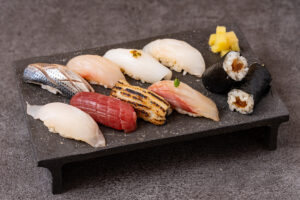
There is no set etiquette, so feel entirely at ease. Many guests take a slice or two as the style of fish changes, perhaps moving from silver-skinned fish to white fish, or after a particularly rich piece. Enjoyed between pieces rather than together with the nigiri, gari lets each flavour stand clearly on its own.
You may have heard of using a slice of gari as a brush to dab on soy sauce. At a counter where the chef glazes each piece with nikiri (a lightly simmered soy glaze) before serving, though, there is little call for it. When the gari on your dish runs low, simply mention it and more will usually appear.
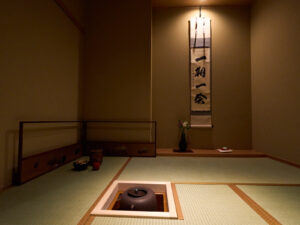
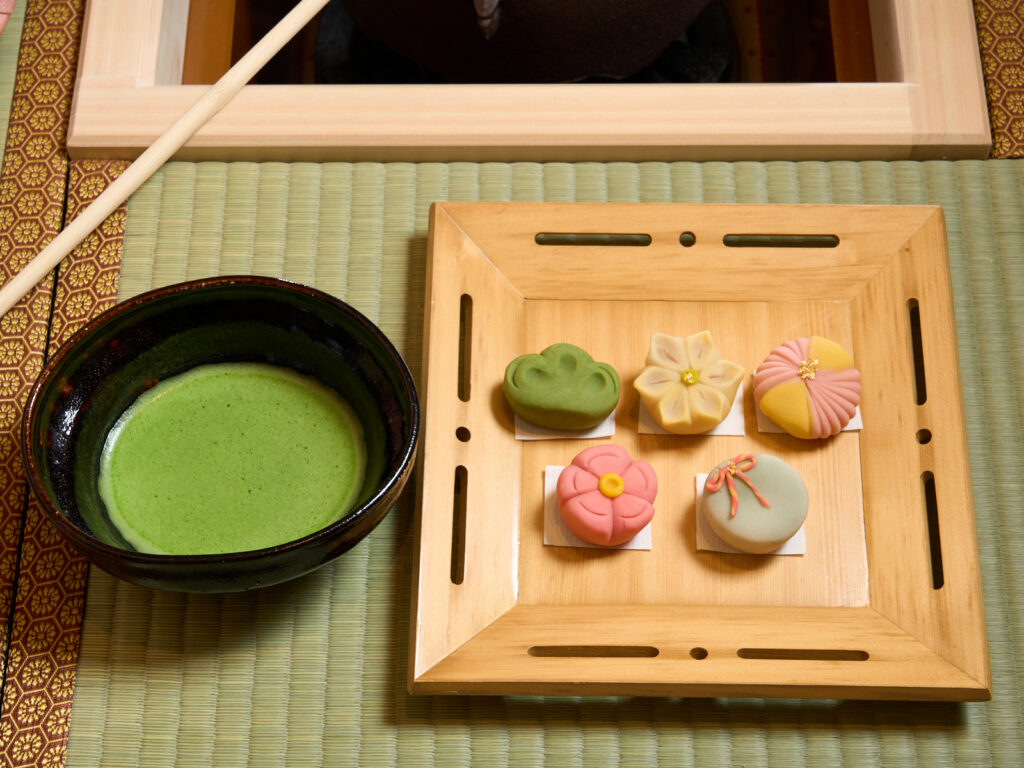
At Tanji, our work is guided by recognising the moment each fish is at its finest and serving it then. To receive that piece with a clear palate, a single slice of gari is a small but sure preparation. Through the course, gari keeps the palate fresh. At the close, a bowl of matcha takes up the role. At Tanji, the meal ends in our tea room with matcha and a seasonal wagashi (Japanese confection).
Frequently asked questions
Is it all right not to eat the gari?
Of course. Leaving it is not impolite. Gari is simply an accompaniment to refresh the palate, so a slice or two whenever you feel like it is plenty. If ginger’s heat is not to your taste, feel free to leave it.
When is the best moment to eat gari?
Between pieces, as the fish changes, works beautifully. A slice after something rich or full-flavoured, such as otoro or silver-skinned fish, and before a delicate white fish lets the next flavour come through clearly.
Why is some gari pink?
The reddish part of young ginger near the stem holds a natural pigment that turns a soft pink in the acidity of the sweet vinegar. Some shop-bought gari is coloured, and house-made gari may also come out a pale yellow.
How is gari different from beni-shoga?
Gari is thinly sliced ginger steeped in sweet vinegar and served with sushi to refresh the palate. Beni-shoga (red pickled ginger) is usually pickled in plum vinegar, cut into fine strips and served with dishes such as yakisoba or gyudon.
Can I ask for more gari during omakase?
Please do. When the gari on your dish runs low, a quick word is usually all it takes for more to arrive.
From the guide to the counter
Taste it at our eight-seat counter in Oku-Akasaka.
Classic Edomae craft with careful modern aging – served piece by piece, with English guidance for overseas guests.
Reserve at Sushi Tanji Explore The Tokyo Sushi Guide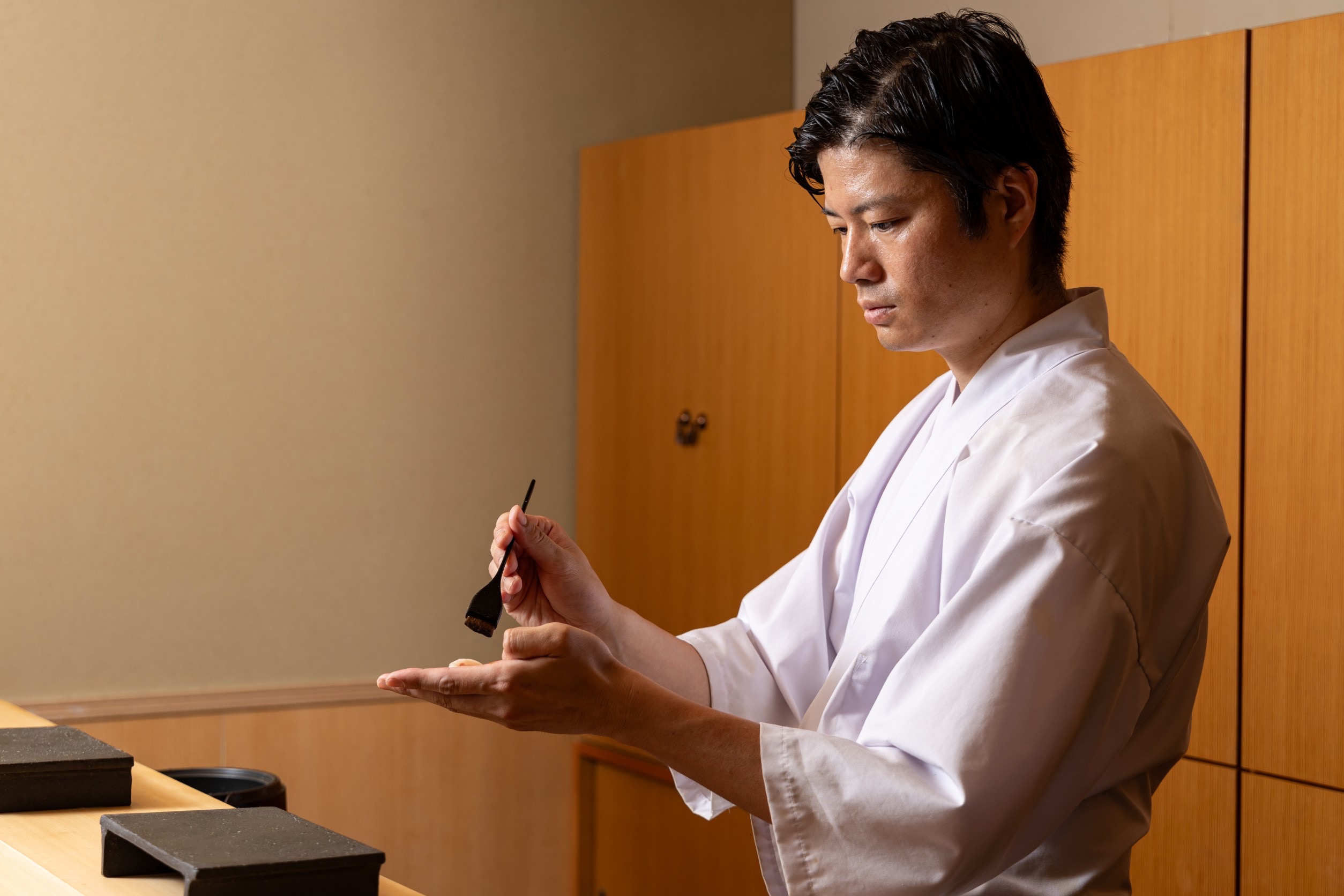
Reviewed by
Tatsuo TakadaHead chef and owner of Sushi Tanji. Trained in the Edomae tradition and rooted in Kyushu, he leads the eight-seat omakase counter in Oku-Akasaka, Tokyo, and reviews The Tokyo Sushi Guide.