

Reviewed by Tatsuo Takada (owner-chef, Oku-Akasaka Sushi Tanji)
Part of The Tokyo Sushi Guide Updated Reading time about 6 minutes See the menu →
Oku-Akasaka is where the noise of the city quietly falls away, only one slope up from the bustle of Akasaka Station. This guide covers how its alleys were shaped by ryotei (traditional restaurants) and the old geisha quarter, how the area differs from Ginza, how to find a small restaurant with a modest sign, and the walk home after dinner. It is an evening on the quieter side of Tokyo, taken one step at a time.
In short
Oku-Akasaka is a quiet district up the slope from the restaurants around Akasaka Station, close to Akasaka Hikawa Shrine. In Ginza, restaurants cluster in buildings along the main avenues. Oku-Akasaka is better suited to an unhurried evening at a small restaurant tucked down a lane, where the pleasure lies in the time spent inside a single place.
What you will learn
- Where the area known as Oku-Akasaka lies, and its many slopes
- The alley manners passed down from the district's ryotei and geisha quarter
- How Ginza and Oku-Akasaka differ in their restaurants and in the pace of the evening
- Tips for finding a small alley restaurant with a modest sign, without hurrying
- Autumn fish that often appear at Edomae sushi counters in October
- How to spend the walk home and carry the afterglow of the meal with you
Oku-Akasaka lies up the slope from Akasaka's main streets
Oku-Akasaka, literally “inner Akasaka”, is not an official name on any map. Many people use it for the area where the sound of the city fades as you climb from the restaurants around Akasaka Station towards Akasaka Hikawa Shrine.
Old slopes such as Hikawa-zaka and Moto-Hikawa-zaka remain, and the lights of small restaurants and sushi counters glow here and there among low houses, temples and shrines. A short walk from the station is enough for the feel of the night to change completely.
Alley manners, inherited from a district of ryotei
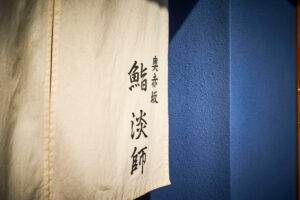
Akasaka has long been known for its ryotei, the traditional restaurants, and for its hanamachi, or geisha quarter. Geisha still entertain at banquets here, and that heritage shows in the lanes themselves: black wooden fences, latticed doors, water sprinkled at the threshold, entrances set a little back from the street. Many restaurants do without a large sign and greet guests with nothing more than a noren, the cloth curtain hung at the door.
The belief that restraint is a form of grace still lives on in the restaurants here. On a first visit an entrance can be hard to spot, and that, too, is part of the neighbourhood’s way.
Sushi in Ginza, sushi in Oku-Akasaka
For many people, sushi in Tokyo first brings Ginza to mind. Neither district is better than the other; they simply have different characters.
| Aspect | Ginza | Oku-Akasaka |
|---|---|---|
| The setting | Often on the upper floors or in the basements of buildings along the main avenues | Often in low buildings facing a lane |
| Pace of the area | Easy to drop into before or after shopping or the theatre | Most guests come for the meal itself |
| Surroundings | Crowds continue late into the night | After dark, it returns to residential calm |
| The way home | Evenings tend to carry on to the next place | You take the afterglow with you down the slope |
A few small tips for finding an alley restaurant
Alley restaurants sometimes sit on lanes too narrow for cars to enter easily. If you come by taxi, getting out on the main road and walking the rest of the way keeps the arrival unhurried. In October the lanes are already dark soon after 5 pm, and small signs are easy to miss, so a look at a map or a photo of the entrance before setting out brings peace of mind.
At Edomae (traditional Tokyo-style) restaurants, a noren hanging at the door usually means they are open. Arriving about five minutes before your reservation is a good guide, though there is no need to feel anxious about it. If you are running late, a quick call lets the counter adjust its preparations.
An evening at a counter in a quiet quarter
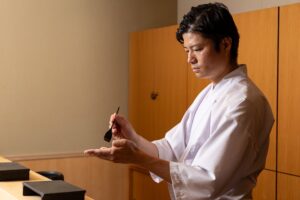
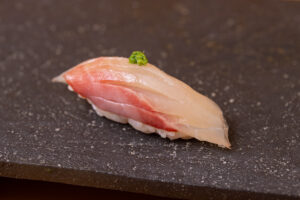
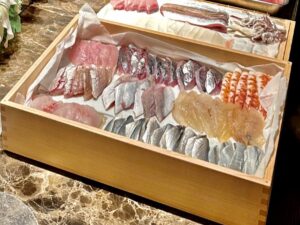
Because the street outside is so quiet, the sounds behind the counter come through clearly: the knife meeting the board, the brush laying on nikiri (a glaze of seasoned soy), the fingers shaping the shari (seasoned rice). In October, Edomae counters often feature autumn fish such as modori-gatsuo (bonito on its return journey south), sanma (Pacific saury) and ikura (salmon roe) with soft, tender eggs. Watching that work up close is one of the pleasures of a small restaurant.
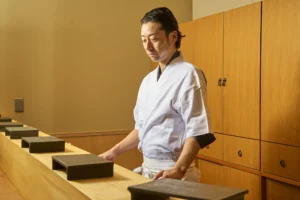
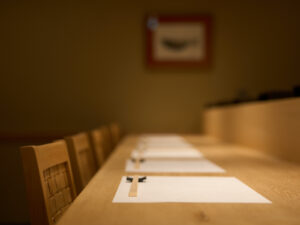
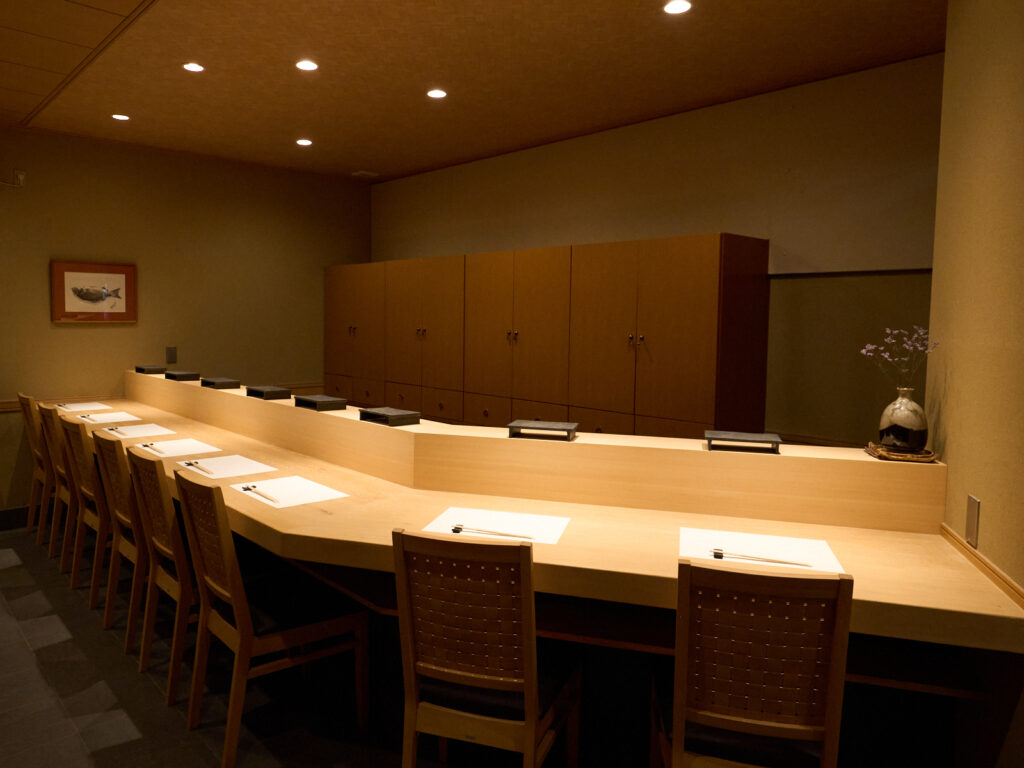
Sushi Tanji, tucked into a lane in Oku-Akasaka, is one such small place, with eight seats at a hinoki cypress counter. The restaurant aims for an evening in which the food, sake, tableware, space and conversation come together and leave guests wanting to return. The quiet of the neighbourhood is itself the vessel that holds that kind of time.
Lingering afterwards, and the walk home
Part of the pleasure of Oku-Akasaka is not stepping straight out onto a busy street after sushi. At Tanji, the meal can close with matcha and a seasonal wagashi (Japanese confection) in a proper tea room. Over a single bowl of tea, both palate and mind gently settle.
When you leave, you might walk down the slope past the trees of Hikawa Shrine. The autumn night air is soft, and by the time the station lights come into view, your memory of the meal has settled just so. It is a way of spending an evening that differs a little from an ordinary night out, one complete within a single restaurant.
Frequently asked questions
Where is Oku-Akasaka, and what is the nearest station?
It is not an official place name but an informal one, most often used for the quiet area around Akasaka Hikawa Shrine, up the slope from Akasaka Station. Akasaka Station is the closest, and depending on the restaurant, Roppongi and Tameike-Sanno stations are also within walking distance.
For sushi in Tokyo, is Ginza or Akasaka the better choice?
Ginza tends to suit days when you would like to enjoy the buzz of the district alongside shopping or the theatre. Oku-Akasaka tends to suit evenings when you would rather take your time over the meal itself, in quiet. Most people decide by how they would like to spend the night rather than by which is better.
Are small alley sushi restaurants easy to visit for the first time?
Yes, and there is no need to feel nervous. Many have understated signs, so checking the landmarks near the entrance on a map beforehand and arriving about five minutes before your reservation makes for a relaxed arrival. A noren at the door is usually a sign that they are open.
Is there a dress code at sushi restaurants in Oku-Akasaka?
Most do not set a strict dress code. Many guests choose to skip strong perfume at the counter, and neat, relaxed everyday clothes will feel entirely at home.
From the guide to the counter
Taste it at our eight-seat counter in Oku-Akasaka.
Classic Edomae craft with careful modern aging – served piece by piece, with English guidance for overseas guests.
Reserve at Sushi Tanji Explore The Tokyo Sushi Guide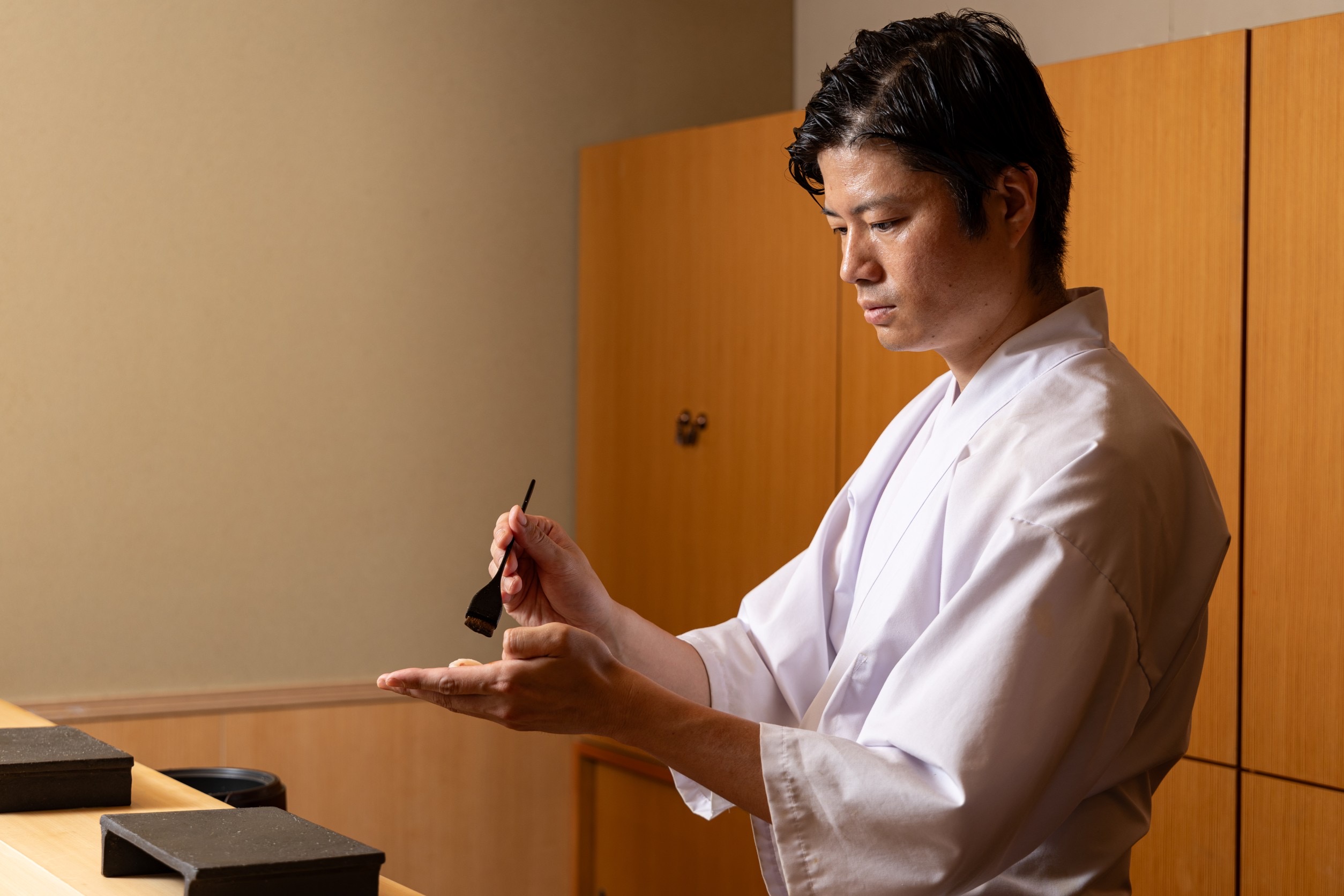
Reviewed by
Tatsuo TakadaHead chef and owner of Sushi Tanji. Trained in the Edomae tradition and rooted in Kyushu, he leads the eight-seat omakase counter in Oku-Akasaka, Tokyo, and reviews The Tokyo Sushi Guide.