
Reviewed by Tatsuo Takada (owner-chef, Oku-Akasaka Sushi Tanji)
Part of The Tokyo Sushi Guide Updated Reading time about 6 minutes See the menu →
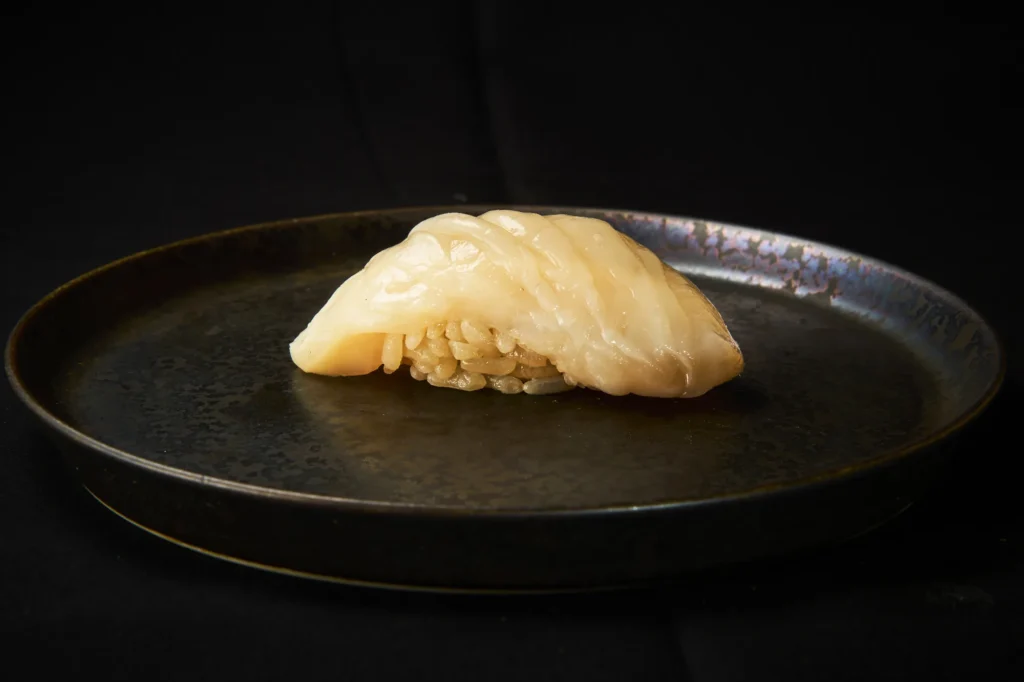
A day at a sushi counter begins some twelve hours before the first guest sits down, at a fish market in the dark before dawn. Here we follow that day hour by hour. It runs from buying at the market through cleaning the fish, curing and marinating, cooking the rice and the last preparations before opening. Along the way, we look at how the unseen work behind the counter shapes each piece of sushi set before you.
In short
A sushi counter’s day starts with buying fish at the early-morning market. Cleaning and filleting come next, then curing and marinating, with the rice cooked in the late afternoon before the doors open. Guests see only the final few hours. Most of the work is finished long before.
What you will learn
- How the day's buying is settled at the market from around 5am
- The sequence from filleting a fish to seasoning it with salt, vinegar or soy
- Why the fish bought today is not always the fish served today
- Why the shari (seasoned rice) is cooked close to service and kept at body temperature
- Which October fish ask the most of the kitchen
- What is set in order during the final hour before opening
5am: The Day's Fish Is Chosen at the Market
At Toyosu Market, the tuna auctions begin from five in the morning. Most sushi chefs do not bid in the auction themselves. Instead they buy through nakaoroshi (intermediate wholesalers), specialist stalls prized for their discerning eye. At the stall front the chef looks over what has arrived, gauging the richness of the fat and the firmness of the flesh before deciding what to buy and in what quantity.
Plenty of counters skip the trip altogether, relying on trusted wholesalers or producers to send fish directly. Either way, the chef keeps two things in mind: the number of reservations plus the condition of the fish already resting in the restaurant. The day’s buying simply fills the gaps.
7am: Back at the Counter, the Fish Is Broken Down
Each fish is first scaled. The head and innards are then removed before a rinse in cold water. Carefully clearing the bloodline along with any blood left inside the belly makes a great difference to how well the fish keeps, as well as to its aroma.
Next it is filleted into three pieces and cut into saku, the neat blocks from which slices are later taken. Each block is patted dry then wrapped in paper. The work moves briskly so the fish stays cold. It is quiet, unglamorous work, yet few hours of the day call for closer attention.
Late Morning to Early Afternoon: Curing, Marinating, Simmering
Each fish then moves on to the Edomae shigoto (the classic Tokyo techniques of preparation) that suits it best. The work runs roughly in this order.
- SaltingKohada (gizzard shad) and mackerel are salted to draw out excess moisture along with any fishy edge.
- Curing in vinegarOnce the salt is rinsed away, the fish is steeped in vinegar to firm the flesh and round out its savoury depth.
- MarinatingLean tuna is among the cuts steeped in nikiri, soy sauce gently cooked with sake, so the flavour seeps in.
- SimmeringAnago (conger eel) is simmered. Its cooking liquid is then reduced into tsume, a sweet glossy glaze.
- GrillingSome counters devote hours to tamagoyaki, a sweet omelette made with shiba shrimp and mountain yam.
Kohada is timed to the size and fat of each fish, so the salt and vinegar are adjusted from one day to the next, even for the same species.
Today's Fish Is Not Always Today's Sushi
Part of the preparation hours is spent checking on fish bought days earlier. Some counters rest white fish for anywhere from a few days to about a week, while tuna may be aged longer still. The chef studies the colour of the surface along with its aroma and the firmness of the flesh. Then comes the decision: serve it today or let it wait one more day.
At Sushi Tanji in Oku-Akasaka, the Tsumoto method, a precise approach to bleeding and handling fish, guides the ageing time and temperature chosen for each species. Bleeding and preparation are a means rather than an end. The aim is to serve every fish at the moment it tastes its best.
After 3pm: Cooking the Rice, Preparing the Condiments
Many counters cook their rice close to service. The freshly cooked grains are folded through with seasoned vinegar in a light cutting motion, then moved to an ohitsu (wooden rice tub) where they rest at around body temperature. As rice cools it tightens, which changes how it comes together with the fish. Counters that use akazu (red vinegar) produce a shari with a soft brown tint.
Fresh wasabi loses its fragrance quickly, so many counters grate only what is needed, a little at a time. The gari (pickled ginger) is sliced, the tsume warmed through, the nikiri adjusted. Then the tools of the tsukeba, the chef’s working station, are laid out in order.
The October Fish That Ask the Most
Autumn fish carry more fat, so the balance of salt and vinegar often shifts from summer. Here are fish you will often meet on an October counter, with the main preparation for each.
| Fish | In October | Main preparation |
|---|---|---|
| Modori-gatsuo (returning bonito) | Builds fat as it travels south | Skin seared over straw or charcoal; sometimes marinated instead |
| Sanma (Pacific saury) | At its richest | Lightly cured with salt or vinegar |
| Ikura (salmon roe) | Eggs with tender, delicate skins | Sujiko (roe sacs) gently separated then marinated in soy |
| Saba (mackerel) | Fat begins to build from autumn | Cured with salt then vinegar |
5pm: Until the Noren Goes Up
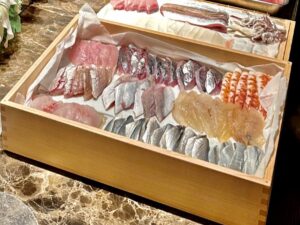
The last hour before the noren (entrance curtain) goes up is for wiping down the hinoki (Japanese cypress) counter, choosing the tableware and setting the blocks of fish into the neta-bako, the wooden cases that hold the day’s toppings. Guests see only the hours that follow. Yet much of each piece’s flavour has already been settled over the twelve before.
At Sushi Tanji, sushi is understood as work that carries life forward. The fisher lands the fish. The wholesaler selects it with a trained eye. A specialist prepares it. The chef receives it last of all and shapes it by hand.
There is no need to feel nervous at the counter. As each piece arrives, perhaps spare a thought for the long day that stands quietly behind it.
Frequently asked questions
What time does sushi preparation begin?
For counters that buy at the market, the day often starts at around 5am. Cleaning and curing carry on into the early afternoon, while tasks closer to service, such as cooking the rice, tend to fall in the late afternoon.
Do sushi chefs go to the market every day?
It depends on the counter. Some chefs visit the market every morning, while others have fish sent by trusted wholesalers or producers. On days when the market is closed, counters usually serve fish bought in the days before.
Is the fish at a sushi counter bought that same day?
Not necessarily. Fish destined for ageing may have been resting for several days. Cured or marinated fish is often prepared the day before as well. Whether a fish is served for its freshness or for the depth that ageing brings depends on the fish itself as well as the thinking of each counter.
When is the rice for sushi cooked?
Many counters cook it in the late afternoon in time for service, sometimes making a fresh batch during the evening. To hold it at around body temperature, counters take great care with their ohitsu (wooden rice tubs) along with other ways of keeping it warm.
From the guide to the counter
Taste it at our eight-seat counter in Oku-Akasaka.
Classic Edomae craft with careful modern aging – served piece by piece, with English guidance for overseas guests.
Reserve at Sushi Tanji Explore The Tokyo Sushi Guide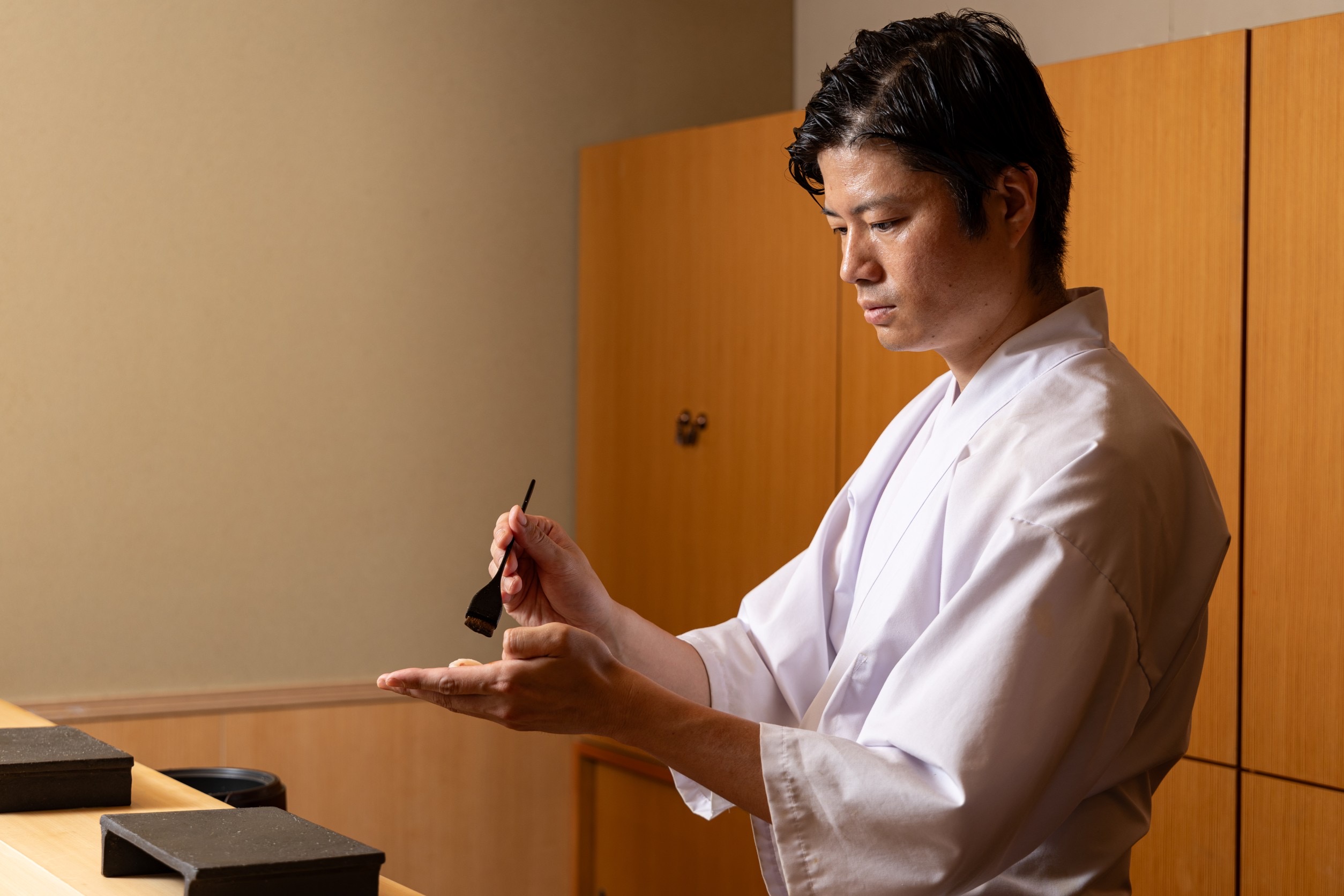
Reviewed by
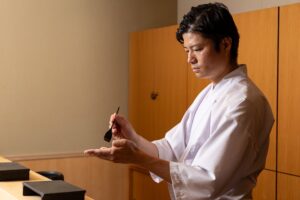
Tatsuo TakadaHead chef and owner of Sushi Tanji. Trained in the Edomae tradition and rooted in Kyushu, he leads the eight-seat omakase counter in Oku-Akasaka, Tokyo, and reviews The Tokyo Sushi Guide.