

Reviewed by Tatsuo Takada (owner-chef, Oku-Akasaka Sushi Tanji)
Part of The Tokyo Sushi Guide Updated Reading time about 6 minutes See the menu →
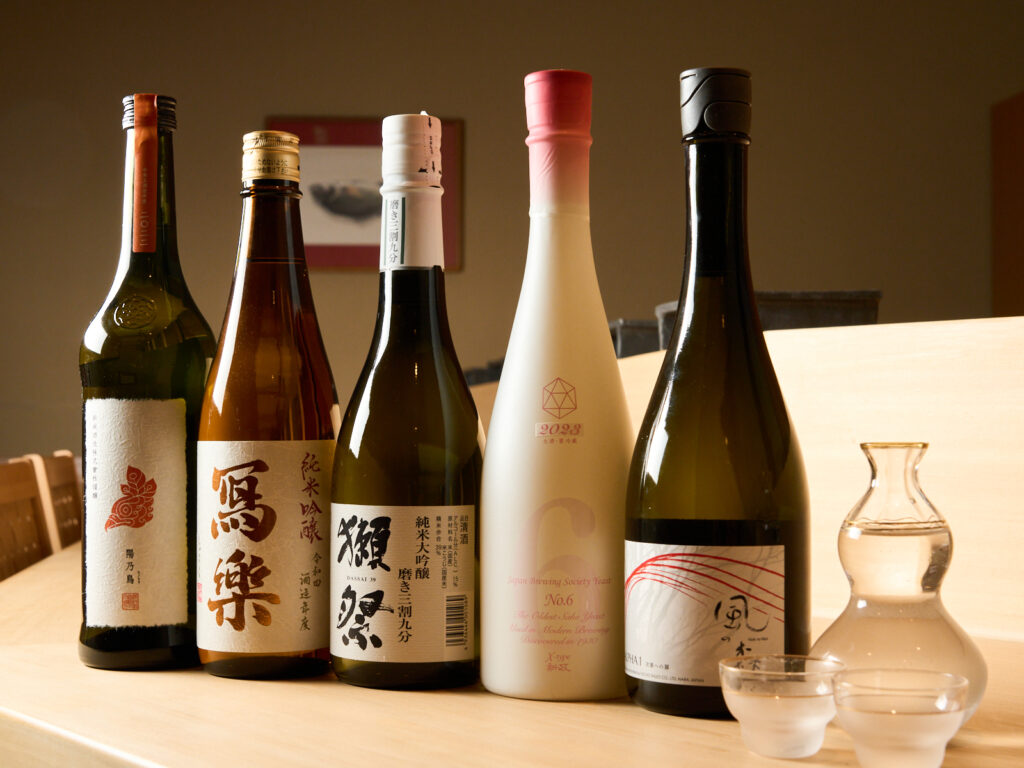
Sushi pairing is no longer a matter of sake alone. At omakase counters across Tokyo, Champagne, beer and coolly brewed sencha (green leaf tea) now sit alongside it as ways of meeting the flavour of each piece. What follows is a look at which fish each drink answers, along with where things tend to slip, temperature and ordering included.
In short
Sake is not the only thing that suits sushi. Dry Champagne sits well with white fish plus shellfish, beer with richer cuts or a first glass on a hot day, cool-brewed sencha when you would like umami to carry the pairing. Choosing by what resets the palate, whether bubbles, bitterness or astringency, makes it hard to go wrong.
What you will learn
- Why dry Champagne suits white fish plus shellfish, with the sweetness and oak to leave aside
- When red wine can raise a fishy note, plus the bridges offered by zuke and simmered conger
- Why beer works for the first glass in August, then how to wind it up before the nigiri begins
- Cool-brewed sencha, gyokuro and hojicha: choosing between them, plus how they differ from the closing agari
- Where to change drinks. From small dishes to nigiri, from pale white fish to richer cuts
- How to put it at the counter. Offering a direction of flavour rather than naming a label
Why sake is no longer the only answer
Sushi and sake have long been spoken of together because both begin with rice, with umami and acidity of a similar cast. A modern omakase runs from small dishes through to nigiri, somewhere between a dozen and twenty pieces over close to two hours. As the centre of gravity shifts from pale white fish to silver-skinned fish, then to red flesh and simmered pieces, keeping pace with a single drink is harder than it sounds. Bubbles, bitterness and astringency each lend a hand, so changing drinks partway through has become a common shape for the meal.
Dry Champagne for white fish and shellfish
The lift of bubbles rinses away the sweetness of shari (seasoned rice) that lingers along with the fat of the fish. The yeasty aroma that comes of a second fermentation in the bottle runs close to the mellow scent of red-vinegar shari, so the two rarely collide. Set against pale white fish such as kisu (sand whiting) and madai (sea bream), as well as shellfish like abalone and akagai (ark shell), the salinity of the fish stands at the same height as the acidity in the glass.
Sweetness and oak are worth a thought. Bottles that lean sweet or carry a pronounced barrel note can make rice cut with vinegar and salt feel heavy. Eight to ten degrees is a comfortable range. Chilled much further, the aroma closes in on itself with only the prickle of the bubbles left behind.
Wine begins in white. Red looks for a bridge
Unoaked whites are the easiest to place, with Chablis, Koshu and dry Riesling often named. They answer especially well to work that carries transferred umami, such as white fish cured in kombu (kelp). Reds high in iron are said to react with the fat of fish to raise a fishy note, so some prefer to leave them aside. If you would like one, a light red brought down to around fourteen degrees suits pieces dressed in soy or in nikitsume (the sweet reduction brushed over simmered fish), such as zuke (soy-marinated tuna) and simmered conger. The bridge is not the fish itself but the Edomae work, the Tokyo-style preparation, applied to it.
Beer belongs to the first glass
In Tokyo in August, the heat often has not left you by the time you reach the counter. Carbonation with a gentle bitterness brings a dulled palate back, making the first small dishes easier to receive. A quiet outline of bitterness sits more kindly with the fish than a strongly aromatic local brew. Cold also lowers the temperature of the mouth, which can blur the edges of shari served close to body warmth. Most people finish the glass by the time nigiri begins, then move on to the next pour.
The quiet rise of tea pairings
For those who do not drink alcohol, a growing number of places pour a different tea alongside each piece. Temperature is the key. Sencha brewed slowly at a low temperature releases little astringency, letting umami with sweetness come forward, which meets the depth of aged white fish and shellfish. Gyokuro (shaded green tea) is denser still in umami, holding its own against pieces of real concentration such as uni (sea urchin) or chutoro (medium fatty tuna). The toastiness of hojicha (roasted green tea) sits beside the sweeter dishes of the closing stretch, simmered conger and tamago (sweet omelette) among them.
The powdered agari (the tea served at the end of a meal) is brewed hot and strong to rinse the palate. Tea for pairing has a different purpose, shifting temperature with strength piece by piece so that it can receive the flavour. At Sushi Tanji, the meal closes with matcha and a seasonal sweet in a proper tea room, a reminder that tea can also carry the lingering echo of sushi.
What to pour, where to place it
| Drink | Pieces it sits well with | Worth keeping in mind |
|---|---|---|
| Dry Champagne | White fish such as kisu and madai, abalone, akagai | Sweet styles with strong oak are best left aside |
| Unoaked white wine | Kombu-cured fish, squid, scabbard fish | Over-chilling closes the aroma |
| Light red wine | Zuke, simmered conger | Iron-rich bottles can raise a fishy note |
| Beer | Early small dishes, fried pieces | Wind it up before the nigiri |
| Cool-brewed sencha or gyokuro | Aged white fish, uni | Brewed strong, astringency comes forward |
- During the small dishesBeer or bubbles to settle the palate, letting the heat go.
- Early in the nigiriDry bubbles or an unoaked white for white fish with shellfish.
- From red flesh to simmered piecesMove to a sake thick with umami or to a light red.
- The closing cupAgari or matcha, letting the echo settle.
At the counter, offering a direction of flavour tends to land better than naming a label. Something light while the white fish continues. Something with more body now that red flesh is coming. At Tanji, the owner visits breweries around the country, choosing bottles with the maker’s thinking and the character of the place in mind, then suggesting what suits each piece. Saying at the outset that you do not know much is perfectly fine. There is nothing to live up to here.
Frequently asked questions
May I bring my own wine to a sushi restaurant?
It varies from place to place. Even where it is welcomed a corkage charge may apply, while restaurants that keep a considered drinks list sometimes prefer not to. A quick word when you book settles it.
Is it rude to order beer at the counter?
Not at all. As a glass to have alongside the small dishes it is an ordinary choice. Most people finish it as the nigiri begins, moving on to something else from there.
I do not drink alcohol. Can I ask for a tea pairing?
Some places offer one, others do not. Mentioning it when you book often means cool-brewed sencha, sparkling water or fruit drinks are ready for you, which spares any scramble on the day.
What sort of Champagne should I look for?
Dry, without a strong oak character, is generally the easiest to place. Bottles that keep some sweetness can layer with the acidity of the shari to feel heavy. Eight to ten degrees is a useful guide.
Should I drink sake or wine first?
There is no rule about order, though starting with something sparkling or light before moving to fuller umami is easy to build. It follows the way the fish grows heavier from white to red flesh, then to simmered pieces.
From the guide to the counter
Taste it at our eight-seat counter in Oku-Akasaka.
Classic Edomae craft with careful modern aging – served piece by piece, with English guidance for overseas guests.
Reserve at Sushi Tanji Explore The Tokyo Sushi Guide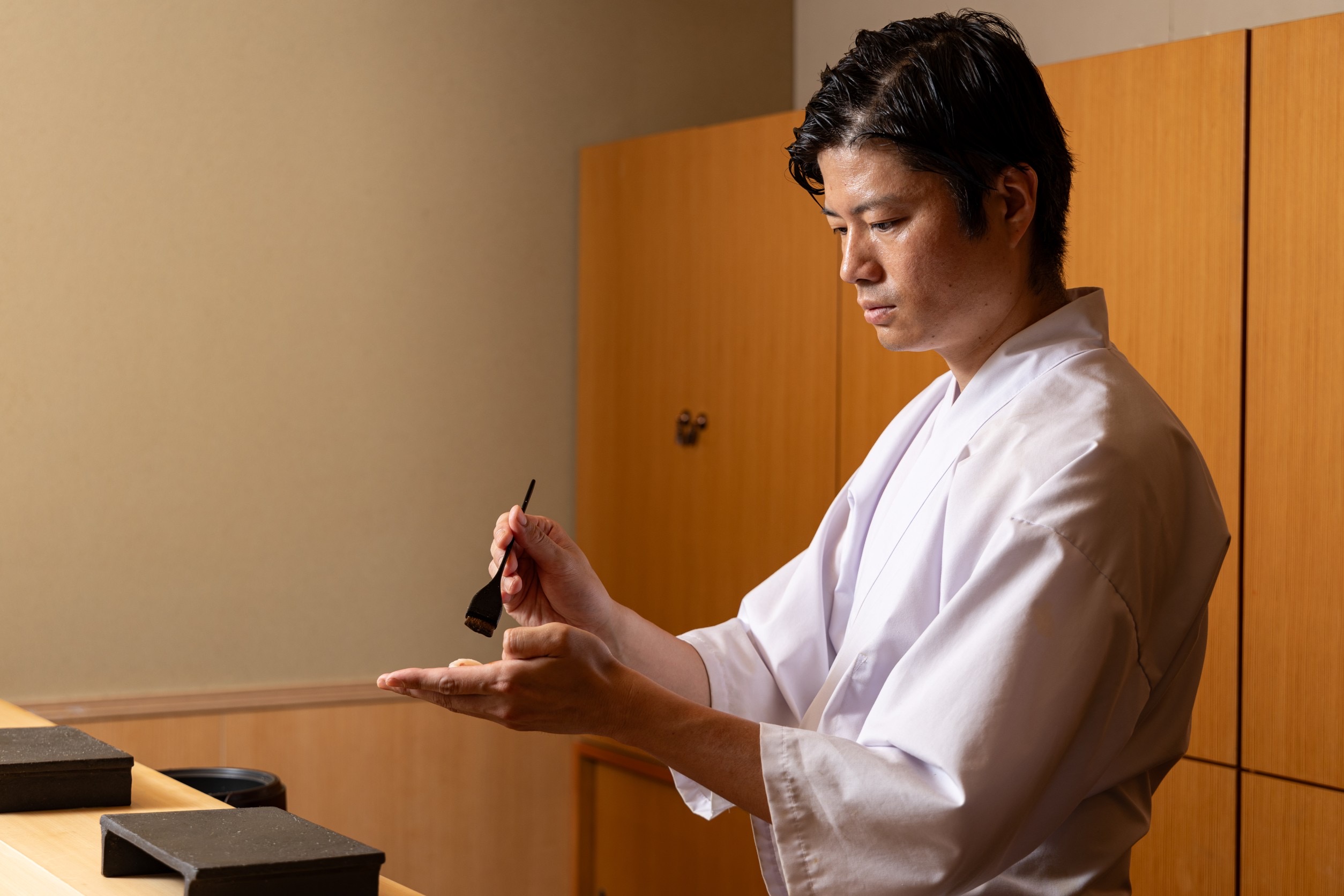
Reviewed by
Tatsuo TakadaHead chef and owner of Sushi Tanji. Trained in the Edomae tradition and rooted in Kyushu, he leads the eight-seat omakase counter in Oku-Akasaka, Tokyo, and reviews The Tokyo Sushi Guide.