

この
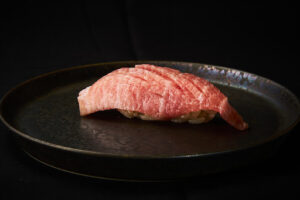
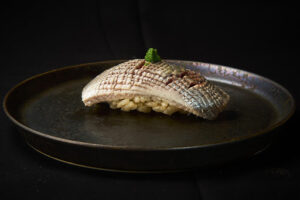
熟成魚
熟成は
魚が
大前提に
・
・
・
①魚が
イノシン酸に変える。
ただ、
旨味が
②魚が
寝かせすぎると
なので
タイミングが
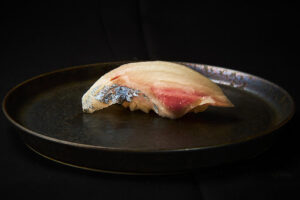
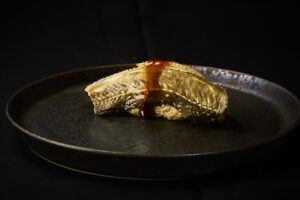
Aged Fish
The concept of aging fish is actually quite simple.
We maximize the fish’s natural umami by utilizing its own biochemical compounds and enzymes, enhancing compounds such as inosinate (IMP) and free amino acids (including glutamate).
The fundamentals are:
* Proper bleeding to prevent oxidation of hemoglobin in the blood.
* Humane and appropriate killing methods to minimize stress on the fish.
* Vacuum sealing and storing at around 2°C (35.6°F) to prevent oxidation and spoilage.
1. Maximizing Inosinate (IMP)
After the fish is harvested, its naturally occurring ATP is gradually converted into inosinate (IMP), one of the key umami compounds.
However, if the aging process continues for too long, inosinate breaks down into inosine and eventually hypoxanthine, which can produce bitterness and an unpleasant aftertaste.
2. Increasing Free Amino Acids
The fish’s own enzymes gradually break down proteins into peptides and eventually into free amino acids, including glutamate.
These amino acids contribute additional depth and sweetness to the flavor.
Timing Is Everything.
(店主のGoogleビジネスプロフィール